When sourcing products from overseas manufacturers, ensuring that your supplier meets quality, ethical, and environmental standards is paramount. Relying on a supplier’s word is a recipe for disaster. This is where factory audits come in.
However, looking at a supplier’s profile on Alibaba or Global Sources can be overwhelming, with badges for ISO, BSCI, Sedex, and dozens of others. What do these acronyms mean? More importantly, which factory audit does your specific business actually need?
Let’s break down three of the most common factory audits—ISO 9001, BSCI, and Sedex (SMETA)—to help you make an informed decision.
1. ISO 9001: The Quality Management Standard
ISO 9001 is the most universally recognized standard for Quality Management Systems (QMS). It is issued by the International Organization for Standardization.
What It Audits
An ISO 9001 audit does not inspect the specific product you are buying. Instead, it evaluates the factory’s processes. It checks if the supplier has a standardized, documented system for managing production, handling defects, training staff, and continuously improving quality.
When You Need It
- Focus on Consistency: You need this if consistent product quality over multiple production runs is your primary concern.
- Technical Products: It is crucial when manufacturing electronics, machinery, or automotive parts where strict process control is required.
- B2B Sales: If you are supplying to other businesses, they will often demand that your factory is ISO 9001 certified.
The Bottom Line: ISO 9001 proves the factory knows how to manage quality, but it does not guarantee ethical treatment of workers.
2. BSCI: The European Ethical Standard
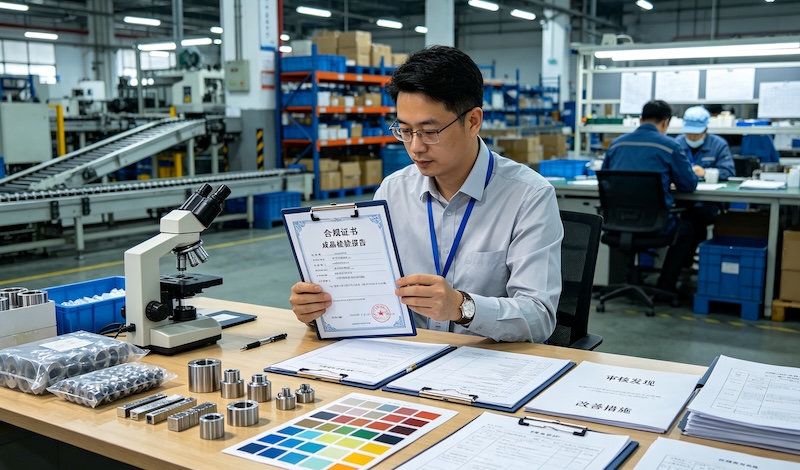
BSCI stands for the Business Social Compliance Initiative. It is an initiative of the Foreign Trade Association (FTA) designed to improve working conditions in global supply chains.
What It Audits
BSCI is strictly a social compliance audit. It evaluates the factory based on 13 performance areas, including:
* Fair remuneration and minimum wage compliance
* Occupational health and safety
* Prohibition of child labor and forced labor
* Reasonable working hours
* Environmental protection
When You Need It
- Selling in Europe: BSCI is highly preferred (and often required) by major European retailers and brands.
- Brand Reputation: If you are building a brand focused on sustainability and ethical sourcing, a BSCI audit protects you from PR disasters regarding sweatshop labor.
- Consumer Goods: Highly relevant for apparel, footwear, and consumer goods manufacturing where labor intensity is high.
The Bottom Line: BSCI ensures your products are made ethically, focusing heavily on the European market’s expectations.
3. Sedex (SMETA): The Global Ethical Data Exchange

Sedex (Supplier Ethical Data Exchange) is a global membership organization. The audit methodology they use is called SMETA (Sedex Members Ethical Trade Audit).
What It Audits
Like BSCI, SMETA is a social compliance audit. It comes in two formats:
* 2-Pillar: Covers Labor Standards and Health & Safety.
* 4-Pillar: Covers Labor Standards, Health & Safety, Environmental Assessment, and Business Ethics.
The key difference with Sedex is its database. Once a factory is audited via SMETA, the results are uploaded to the Sedex platform, allowing the factory to share that single audit with multiple buyers.
When You Need It
- Selling in the UK/US/Globally: While BSCI is Euro-centric, Sedex is widely recognized globally, especially by major UK and US retailers (like Walmart or Target).
- Comprehensive Ethics: If you require a deep dive into environmental practices and business ethics (anti-bribery), the 4-Pillar SMETA audit is superior.
- Supplier Convenience: Many large factories prefer Sedex because they can share one audit report with many clients, saving them money and time.
Which Factory Audit Do You Need?

Choosing the right audit depends entirely on your market and priorities:
- For Quality & Reliability: Look for ISO 9001.
- For Ethical Sourcing (EU Market Focus): Look for BSCI.
- For Ethical Sourcing (Global Market Focus) & Comprehensive Environmental Checks: Look for Sedex (SMETA).
Ideally, a top-tier supplier should hold an ISO 9001 certification for quality and either a BSCI or Sedex audit for social compliance.
Frequently Asked Questions
Do I have to pay for these factory audits?
If you are ordering a custom audit for your specific requirements, you will pay the third-party auditing firm (like SGS or TUV). However, many established factories already pay for and maintain ISO, BSCI, or Sedex certifications to attract buyers. You simply need to request their current, valid reports.
How long are factory audit certificates valid?
Generally, these certificates are valid for one to three years, requiring annual surveillance audits to maintain compliance. Always check the expiration date on the documents provided by your supplier.
Can a factory fake an ISO or BSCI audit report?
Yes, document forgery happens. You should always verify the certificate number directly with the issuing body (e.g., checking the BSCI database or contacting the specific ISO registrar listed on the certificate) to ensure it is authentic and currently valid.