Shopifyにおける中国からの仕入れの経済性は、Amazon FBAとは異なり、仕入れに関するあらゆる意思決定において重要な点で違いがあります。
Amazonでは、出品環境は競争が激しく、商品がコモディティ化しています。価格、レビュー、検索順位が商品の露出度を左右します。あなたの商品は、数百もの競合商品と直接競合することになり、その中には、自社ブランドで販売している製造元自体が含まれていることもよくあります。
On Shopify, you own the customer relationship. If someone visits your store, they’re already interested in your brand. The conversion question is about experience, trust, and brand fit — not just price vs. competitor price. That shifts where sourcing quality matters most: not lowest unit cost, but packaging, brand presentation, product consistency, and customer experience on unboxing.
This guide covers sourcing for Shopify specifically — what’s different, what to optimize for, and how to build a supply chain that supports brand-driven DTC growth.
Shopifyの調達モデル:実際に構築しているもの
サプライヤーを選定する前に、自社のビジネスモデルを明確にしておきましょう:
プライベートブランド: 中国の工場から製品を仕入れ、独自のブランドイメージを打ち出し、自社ブランド名で販売します。製品の製造は工場が行いますが、顧客との関係やブランドは貴社が所有します。
カスタムOEM: You work with Chinese factories to develop a product that’s meaningfully different from what the factory already makes — different formulation, different design, different functionality. Higher cost and longer development timeline, but higher defensibility.
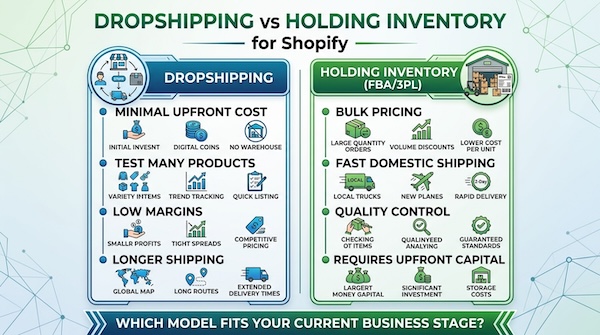
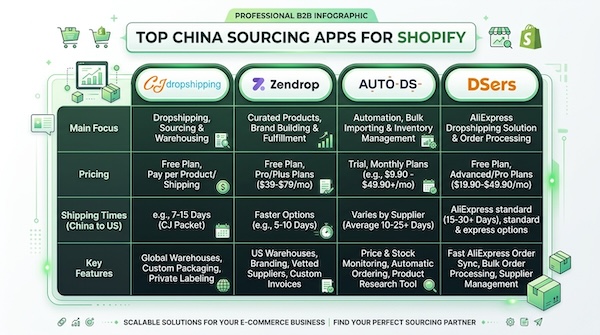
ドロップシッピング(中国のサプライヤーからの仕入れ): Shopifyストアでは、在庫を抱えることなく商品を掲載できます。注文が入ると、外部のサプライヤーが顧客に直接商品を発送します。初期費用は抑えられますが、商品の品質、配送スピード、ブランド体験に対するコントロールは極めて限定的です。
各モデルに対する率直な評価:
– ドロップシッピング works for testing product-market fit but fails as a sustainable brand model. Shipping times (15–30 days from China), packaging you can’t control, and product quality you can’t verify consistently undermine the brand experience that Shopify is built to support.
– プライベートブランド 在庫を保有するモデルこそが、事業を拡大できるモデルです。品質管理が行き届き、ブランド化されたパッケージがあり、顧客獲得に投資できる利益率も確保されています。
– カスタムOEM is the premium tier — justified once you have validated demand and the budget to invest in product development.
Shopifyブランドに対して、中国のサプライヤーができること・できないこと
彼らの強み
大規模なブランドパッケージング: Chinese packaging manufacturers can produce custom-printed mailer boxes, tissue paper, thank-you cards, ribbon, and product boxes to your exact specification at prices that make premium packaging economics work for DTC brands. A branded mailer box that costs $0.35–0.60/unit from a Guangdong packaging supplier would cost $1.20–2.00+ from a comparable Western supplier.
製品のカスタマイズ: Most Chinese factories offer standard OEM services — your logo on their existing product line, your color choices, your packaging spec. True ODM (meaningful product differentiation) requires more investment but is available from factories with engineering capability.
一貫した生産品質: At the right factory tier for your product, Chinese manufacturing quality is highly consistent — often more consistent than artisan or small-batch production because it’s managed by documented QC processes.
Shopifyに対して課題を突きつける場所
長いリードタイムと短いトレンドサイクル: If your Shopify store is trend-driven (seasonal, fast fashion, reactive to social media trends), China’s 45–90 day production cycle is a mismatch. For evergreen products with predictable reorder cycles, this isn’t an issue.
最小発注数量と在庫リスク: Factory MOQs of 200–1,000 units require upfront inventory commitment before you’ve validated demand. This is the primary financial risk for early-stage Shopify brands.
DTCフルフィルメントにおける配送の複雑さ: You need to get goods from China into your fulfillment infrastructure — either a 3PL warehouse in your home market or FBA if you’re cross-channel. This adds time and cost that direct-to-consumer brands need to factor into their landed cost.
ステップバイステップ:Shopifyストア向けの中国仕入れの設定方法
ステップ1:サプライヤーへのアプローチを行う前に、製品の仕様を明確にする
サプライヤーとの話し合いは、明確な概要を提示することで、より良いスタートを切ることができます。Shopifyの調達においては、仕様書には以下の内容を盛り込む必要があります:
- 主要製品の仕様(寸法、材質、色、機能)
- ブランドのパッケージ仕様(箱の形状、印刷仕上げ、同梱物、ティッシュペーパー)
- 表示要件(原産国、必要に応じてお手入れ方法)
- お客様が求める品質基準
- Target landed cost — work backward from your retail price to determine what your COGS budget is
これがなければ、サプライヤーからの見積もりを比較することができず、工場との関係は期待の食い違いから始まってしまいます。
ステップ2:適切なサプライヤーの種類を選ぶ
既製品としての品質が十分に確保されている、確立された製品カテゴリーについては:
Find an Alibaba-listed factory or trading company with relevant experience. Look for suppliers who’ve worked with DTC brands before — they understand branded packaging requirements, can coordinate with your designer, and know what “unboxing experience” means.
大幅なカスタマイズが必要な製品については:
OEM/ODM対応が可能な工場(既存のOEM顧客の製品ポートフォリオを確認することで裏付けられる)か、あるいは 中国調達エージェント お客様の要件にぴったりの工場を見つけられるのは誰でしょうか。
複数のSKUを取り扱う店舗の場合:
Consider a sourcing agent who can coordinate multiple factories under one roof — consolidated shipping, single point of contact, and consistent quality oversight across different product categories.
Step 3: Packaging — Where Shopify Brands Win or Lose
DTCブランドにとって、パッケージはブランドとの最初の物理的な接点となります。そこに投資する価値は十分にあります。
中国の包装サプライヤーに何を指定すべきか:
— 箱の種類(郵送用箱、硬質箱、折り畳み式段ボール箱)
— 素材と重量(350gsmと450gsmのボードでは、手触りに違いがあります)
— 印刷仕上げ(マットラミネート、ソフトタッチコーティング、スポットUV)
— 特注インサート(製品保護用の発泡インサート、ブランドストーリーを伝えるための印刷済みカードインサート)
— ティッシュペーパーとリボン(使用する場合)
パッケージ供給業者と製品供給業者の比較: Your product factory and your packaging supplier may be different companies. Coordinating them is part of the sourcing process — or something a sourcing agent handles on your behalf.
コストの現実: Custom branded mailer box (medium size, matte finish, 500-unit run): $0.45–0.80/unit. At 2,000+ units: $0.30–0.50/unit. Tissue paper (branded): $0.08–0.15/sheet. Printed thank-you card: $0.05–0.12/card. Full branded unboxing setup adds $0.50–1.20/unit to your COGS — often worth it for the brand impact.
Step 4: First Order Strategy — Validate Before You Scale
Shopifyのブランドにとって、市場検証の課題はAmazonとは異なります。単に商品の需要を検証するだけでなく、ターゲット顧客がこのブランド、商品、価格の組み合わせに反応するかどうかを検証する必要があるのです。
推奨される初回注文の手順:
– Order minimum viable quantities (250–500 units) for your first product validation
– Get your full branded packaging on the first order — don’t test with plain packaging and add branding later; the brand experience is part of what you’re testing
– Run a pre-shipment inspection on every first order — see our 点検ガイド 取り上げる内容について
– Plan your reorder threshold before the first order arrives — you need to place the reorder before you run out, which means understanding your lead time and sales velocity
ステップ5:中国からお客様への商品発送
Option A — Direct from factory to your 3PL:
中国の工場から、お客様の倉庫または3PLフルフィルメントセンターへ商品を発送します。フルフィルメントと顧客体験はお客様が管理します。需要が安定しており、信頼できるフルフィルメントパートナーを持つブランドに最適です。
Option B — Cross-dock via a China prep service:
中国を拠点とする一部のサービスでは、商品を受け取り、最終的な仕上げ(ステッカーの貼付、同梱物の挿入、追加の梱包など)を行った後、お客様の3PL業者へ発送するか、国際エクスプレス(DHL/FedEx)を利用して顧客へ直接発送します。大量の輸入管理を行う準備がまだ整っていないブランドにとって便利です。
Option C — Bonded warehouse with cross-border e-commerce:
Some brands use Chinese bonded warehouse infrastructure to ship directly to international customers with simplified customs treatment. This has grown significantly since 2020 — Chinese logistics companies offer this as a service for DTC brands wanting to sell to Chinese consumers from outside, or vice versa.
経済的側面:DTCの利益率向上のために中国からの調達を有効に活用する
Shopifyストアにおける健全なDTCマージン構造は、通常次のようなものです:
| 原価要素 | 販売価格に対する割合 |
|---|---|
| 売上原価(製品+包装) | 20–30% |
| 配送・フルフィルメント | 10–15% |
| 顧客獲得 | 20–35% |
| プラットフォーム/決済手数料 | 3–5% |
| 売上総利益 | 25–40% |
For this math to work with China sourcing, your China landed cost (product + packaging + freight + duties) needs to be in the 20–30% range. That means your total landed cost per unit should be approximately 1/4 to 1/3 of your retail price.
If your retail price is $45 and you’re paying $18/unit landed, your COGS is 40% — that’s tight for a DTC brand with meaningful customer acquisition costs. If you’re paying $10/unit landed, you have room.
This is why product and price selection is the primary strategic decision — not just finding the cheapest supplier within a category.
中国から仕入れた商品でShopifyのブランドを構築したいですか? 当社の調達チームは、DTCブランドと連携し、サプライヤーの選定、ブランドパッケージの設計、品質管理、および継続的なサプライチェーン管理に取り組んでいます。
関連記事 → 中国からのAmazon FBA向け仕入れ:2026年版完全ロードマップ
関連記事 → 中国のメーカーから製品サンプルを入手する方法