Activewear buyers care about performance claims — moisture-wicking, four-way stretch, compression support — in a way that regular apparel buyers don’t. Sourcing well means understanding fabric technology well enough to verify factory claims rather than just trusting a spec sheet.
混紡素材と性能に関する主張
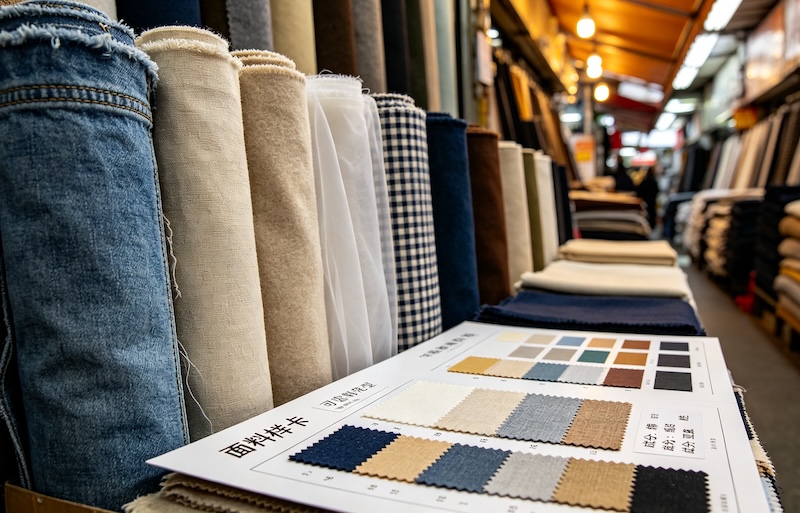
Polyester-spandex blends (typically 80/20 or 88/12) dominate the activewear category for their stretch recovery and moisture-wicking properties. Nylon-spandex blends offer a softer hand-feel and are common in premium leggings. Ask for the fabric’s GSM (grams per square meter) weight and stretch recovery percentage — these two numbers tell you more about real quality than marketing terms like ‘buttery soft’ ever will.
圧縮試験および4方向伸縮試験
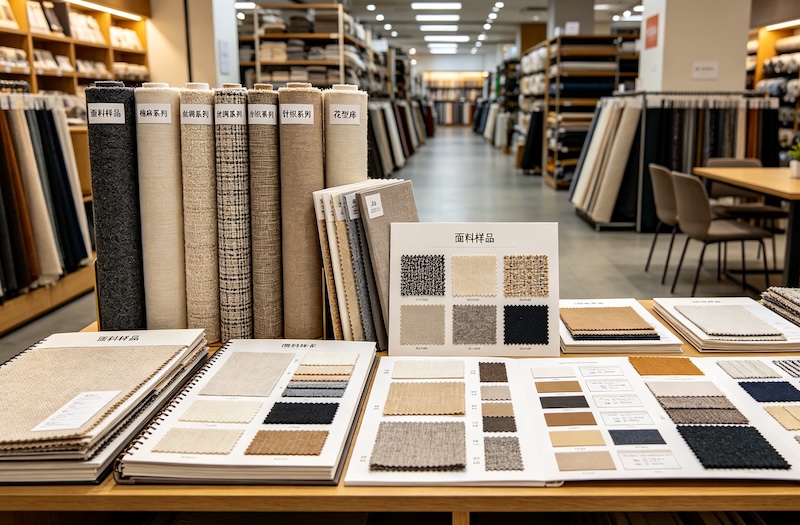
For compression-focused products, request the fabric’s compression rating (mmHg for true medical-grade compression, or a general stretch percentage for athletic compression wear). Four-way stretch means the fabric stretches and recovers in both horizontal and vertical directions — confirm this specifically, since two-way stretch fabric is cheaper and sometimes substituted without clear disclosure.
確認しておくべき工場の認証
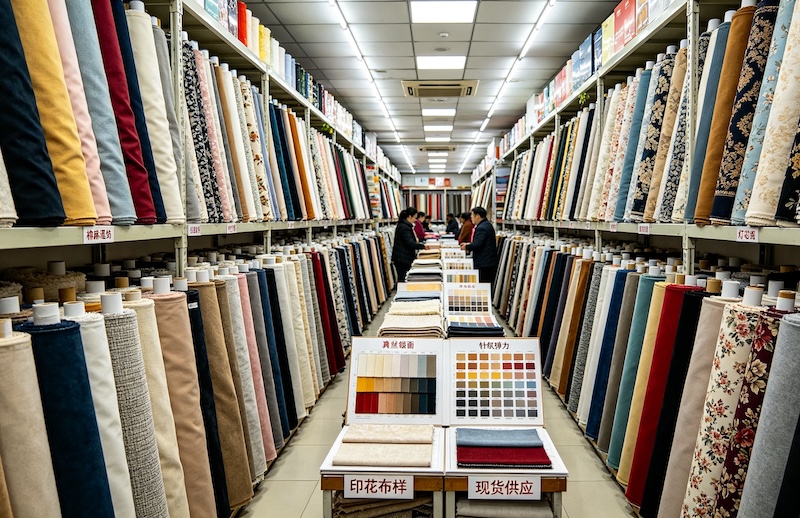
OEKO-TEX Standard 100認証は、生地に有害物質が含まれていないことを証明するものであり、汗をかく激しい運動中に肌と長時間接触するアクティブウェアにとっては重要なポイントです。環境や倫理に配慮する消費者をターゲットとするアクティブウェアブランドにおいては、BSCIやSedexによる社会的コンプライアンス監査の実施がますます求められています。
よくある質問
高品質なレギンス生地の場合、GSMは通常どの程度ですか?
Most quality activewear leggings use fabric in the 220-280 GSM range — lower GSM can feel thin or become sheer under stretch, which is a common quality complaint.
4方向ストレッチは、2方向ストレッチよりも常に優れているのでしょうか?
ほとんどのスポーツウェア用途においては、その通りです。生地に負担をかけることなくあらゆる方向への動きを可能にするため、スクワットやランジ、その他の多方向への動きを行う際に重要な要素となるからです。
OEKO-TEX認証には、注文ごとに追加費用がかかりますか?
この認証自体は工場・生地レベルの認証であり、注文ごとのコストではありませんが、認証済みの生地を使用している工場は、通常、認証されていない同等の製品に比べて若干の割増料金を請求します。