サングラスは手に入れやすいように見えますが、実際にはコンプライアンスや品質に関する重大なリスクが潜んでいます。可視光は遮断するものの、紫外線を十分に遮断できないレンズは、サングラスを全くかけない場合よりもむしろ目の健康にとって悪影響を及ぼす可能性があります。なぜなら、光量が少ないと瞳孔が開く一方で、紫外線は依然として目に届いてしまうからです。
UV400保護は必須です
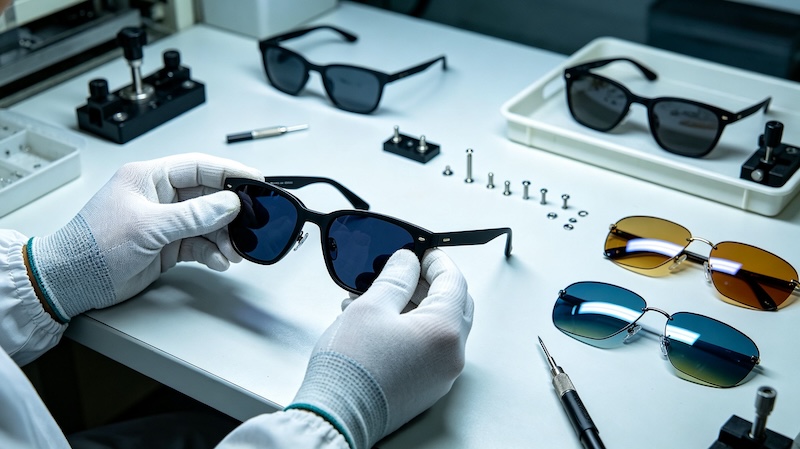
UV400 lenses block essentially all UVA and UVB radiation up to 400 nanometers. Always request UV transmittance test data for your specific lens batch — tinted lenses that merely look dark don’t guarantee UV protection, and this is one of the most common corners cut by low-cost factories to save on lens coating costs.
レンズ素材の選択肢
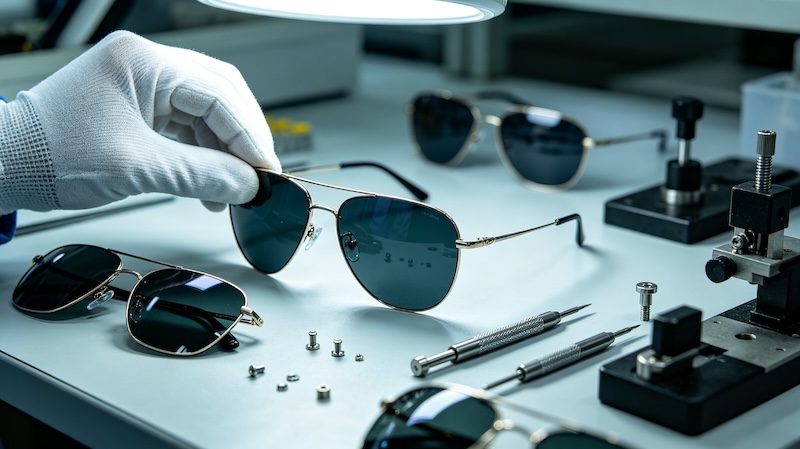
Polycarbonate lenses are the standard for affordable sunglasses — impact-resistant and lightweight, though prone to scratching without a hard coat. CR-39 (a plastic resin) offers better optical clarity at a higher price point but is more brittle. Polarized lenses add glare reduction, popular for driving and outdoor sport-focused product lines, and typically add $0.50-$2 per unit to factory cost depending on volume.
輸入検査要件
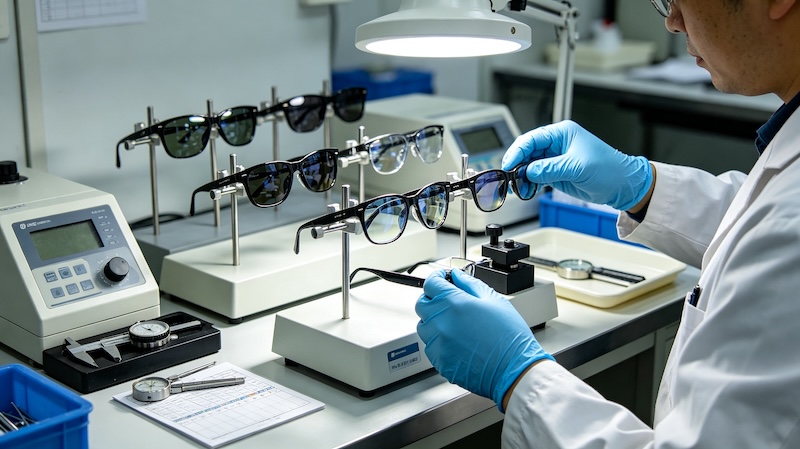
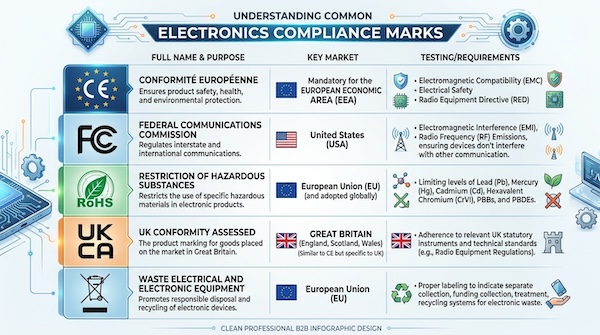
米国には、サングラスに関する唯一の強制的な連邦基準は存在しませんが、ANSI Z80.3は、紫外線防止や耐衝撃性について規定した、広く参照されている自主基準であり、真剣に購入を検討する消費者の多くがこれを求めています。EUでは、特定の条件下においてサングラスをPPE(個人用保護具)として扱っており、具体的な表示内容によってはCEマーキングの要件が適用される場合があります。
よくある質問
サングラスが実際にUV400の保護機能を備えているかどうか、どのように確認すればよいですか?
Request a UV transmittance test report for your specific lens formulation from a third-party lab — don’t rely on the tint darkness or a printed ‘UV400’ label alone.
高品質なサングラスには偏光機能が必要なのでしょうか?
いいえ、偏光機能はまぶしさを軽減するための追加機能であり、安全上の要件ではありません。高品質な非偏光サングラスの多くも、十分なUVカット効果を備えています。
EUで販売するには、サングラスにCEマークが必要ですか?
It depends on specific claims and use case — general fashion sunglasses often don’t require formal CE PPE certification, but confirm current requirements with a compliance consultant if marketing specific protective claims.