Placing a large order with a supplier can feel exciting.
It can also feel risky.
Especially if the supplier is new.
Many businesses assume that once product samples look good, production will go smoothly.
Unfortunately, that assumption sometimes becomes expensive.
A supplier may deliver a strong sample but still struggle with:
- Production consistency
- Quality control
- Lead times
- Communication
- Scaling large orders
This is why experienced importers often conduct a supplier audit before committing to larger production.
Because one important question matters:
Can this supplier reliably deliver at scale?
A supplier audit helps businesses reduce sourcing risks before money is committed.
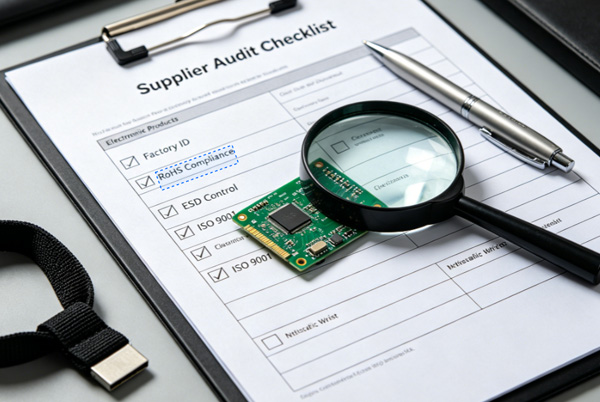
What Is a Supplier Audit?
A supplier audit is a process used to evaluate whether a manufacturer can reliably meet production expectations.
The goal is simple:
Reduce sourcing risk before scaling orders.
Supplier audits help businesses verify:
- Manufacturing capability
- Quality systems
- Production consistency
- Communication standards
- Compliance requirements
Audits become increasingly important as order size grows.
A small mistake during large production becomes expensive quickly.
Why Supplier Audits Matter
Many sourcing failures happen because businesses skip verification.
A strong sample does not always guarantee reliable mass production.
Supplier audits help answer critical questions such as:
Can the Supplier Scale?
Some suppliers handle small orders well.
Large production may be different.
Are Quality Standards Consistent?
Consistency matters more than isolated success.
Does the Supplier Communicate Professionally?
Communication problems often become worse during production.
Are Risks Being Hidden?
An audit may reveal issues early.
Preventing expensive surprises later.
If you’re still evaluating suppliers, read: What Makes a Reliable Supplier? 10 Signs to Look For
Supplier Audit Checklist Before Large Orders
Before committing to larger production, verify the following areas.
1. Business Legitimacy
Start with the basics.
Confirm:
- Business registration
- Years in operation
- Factory location
A legitimate business does not automatically guarantee reliability.
But verification matters.
2. Manufacturing Capability
Can the supplier actually handle your order?
Ask questions like:
Production Capacity
How many units can they produce monthly?
Product Experience
Have they manufactured similar products before?
In-House Production
Or are they outsourcing?
Unexpected subcontracting creates risk.
3. Quality Control Systems
Quality consistency matters more than a good sample.
Review:
Inspection Procedures
How do they check quality?
Defect Management
What happens if defects appear?
Quality Documentation
Do they track production quality?
Read: Quality Inspection in Manufacturing
4. Communication Standards
Reliable communication supports reliable production.
Evaluate:
- Response speed
- Clarity
- Professionalism
Weak communication often signals future problems.
5. Production Timeline Reliability
Ask realistic questions about:
- Sampling timelines
- Lead times
- Seasonal delays
Overpromising often signals risk.
Reliable suppliers set realistic expectations.
6. MOQ and Production Flexibility
Understand:
- Minimum order quantity
- Scaling capability
- Reorder flexibility
Large MOQ may affect cash flow.
Read: MOQ Explained: What Minimum Order Quantity Means
7. Compliance and Certifications
Depending on product category, certifications may matter.
Examples include:
- Product safety standards
- Material compliance
- Export documentation
Never assume compliance.
Always verify.
8. Sample-to-Production Consistency
One of the biggest sourcing risks:
Mass production quality differs from samples.
Ask:
How will production consistency be maintained?
Consistency matters more than promises.
9. Pricing Transparency
Understand all costs clearly.
Clarify:
- Unit cost
- Packaging cost
- Tooling fees
- Shipping assumptions
Unexpected fees reduce trust.
10. Problem-Solving Process
Problems happen in manufacturing.
What matters is:
How suppliers respond.
Strong suppliers communicate issues early.
Weak suppliers hide problems.
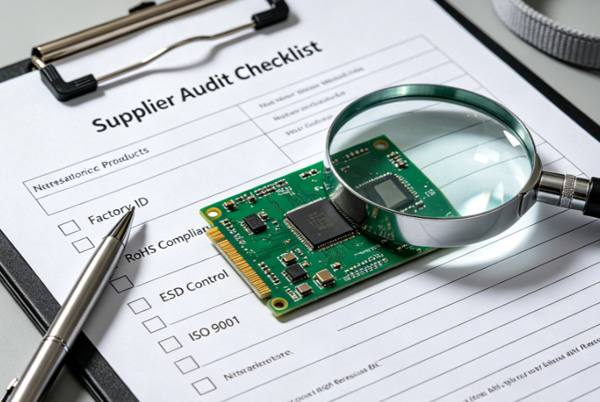
Common Supplier Red Flags
Watch for warning signs.
Unrealistically Low Prices
Cheap quotes often hide problems.
Poor Communication
Delayed responses increase sourcing risk.
Refusal to Share Information
Transparency matters.
No Sample Support
A major warning sign.
Unrealistic Production Promises
Fast timelines are not always realistic.
Constant Pricing Changes
Unexpected changes reduce reliability.
You should also understand: How to Avoid Supplier Scams When Sourcing Overseas
Should You Audit Every Supplier?
Not always.
But audits become more important when:
✔ Order value is high
✔ Products are customized
✔ Supplier relationship is new
✔ Production complexity increases
For smaller trial orders, lighter verification may be enough.
For larger production:
Audits reduce expensive surprises.
Final Thoughts
Large production orders involve real risk.
The wrong supplier can create:
- Delays
- Quality problems
- Lost revenue
- Customer complaints
Supplier audits help businesses make smarter sourcing decisions.
The goal is not perfection.
The goal is confidence.
Reliable suppliers usually welcome professional verification.
Because strong partnerships benefit everyone.
Need Help Verifying Suppliers Before Production?
At SourcePilot Global, we help businesses:
✓ Audit and verify suppliers
✓ Evaluate manufacturing capability
✓ Coordinate quality inspections
✓ Reduce sourcing risks
✓ Improve supplier selection
Looking for sourcing support? Contact our team to discuss your project.