One of the biggest mistakes businesses make when sourcing products overseas is assuming:
“Everything will be fine once production starts.”
Unfortunately, manufacturing doesn’t always work that way.
Even reliable suppliers can experience:
- Material inconsistencies
- Production mistakes
- Packaging issues
- Missing components
- Human error
And without proper quality inspection, businesses often discover problems too late — after products arrive.
At that point, fixing issues becomes expensive.
Very expensive.
That’s why quality inspection plays such an important role in global sourcing.
Whether you’re an ecommerce brand, importer, Amazon seller, or procurement manager, strong quality control processes can protect your margins, customer satisfaction, and brand reputation.
What Is Quality Inspection?
Quality inspection is the process of evaluating products during or after manufacturing to ensure they meet agreed requirements.
The goal is simple:
Catch problems before products ship.
Inspections help businesses confirm:
- Product quality
- Material consistency
- Packaging accuracy
- Functionality
- Compliance with specifications
Without inspections, businesses often rely on trust alone.
That creates unnecessary risk.
If you’re new to overseas sourcing, start with What Is Global Sourcing? to better understand how manufacturing works.
Why Quality Inspection Matters
Many sourcing problems happen because businesses skip quality control.
A supplier may send:
- Wrong materials
- Incorrect colors
- Missing accessories
- Damaged packaging
- Defective products
When issues are discovered after products arrive, businesses may face:
- Refunds
- Customer complaints
- Product returns
- Reputation damage
Fixing problems after shipping is usually much more expensive.
Preventing defects early is cheaper.
Quality Inspection Protects Your Brand
Product quality affects customer trust.
Poor experiences lead to:
- Negative reviews
- Lower repeat purchases
- Brand reputation damage
Strong quality control helps businesses maintain consistency.
Quality Inspection Reduces Financial Risk
Defective products increase costs through:
- Returns
- Replacements
- Shipping losses
- Rework
Inspection helps reduce those risks.
Common Manufacturing Quality Problems
Manufacturing problems happen more often than many buyers expect.
Common issues include:
Material Substitution
Suppliers use cheaper materials than agreed.
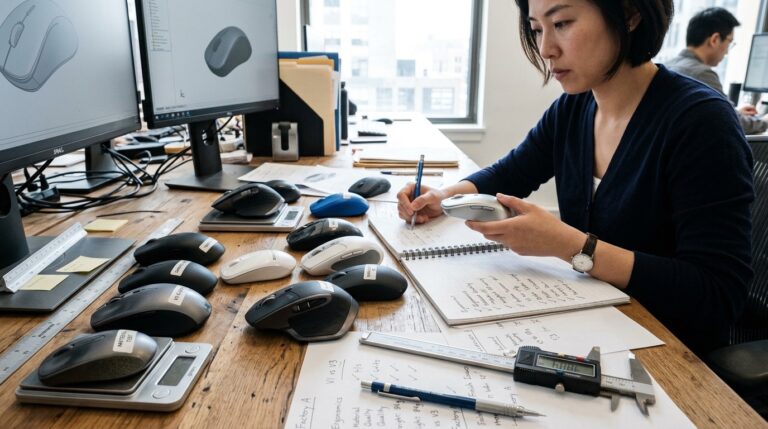
Incorrect Product Dimensions
Products fail to match specifications.
Functional Problems
Products fail testing or performance standards.
Packaging Issues
Common examples:
- Damaged boxes
- Wrong labels
- Missing inserts
Cosmetic Defects
Such as:
- Scratches
- Poor finishing
- Color inconsistencies
These issues often affect customer satisfaction.

The Different Types of Quality Inspections
Quality control usually happens at several stages.
1. Pre-Production Inspection (PPI)
Purpose:
Verify materials and production readiness before manufacturing begins.
Checks often include:
- Raw materials
- Components
- Factory readiness
This helps prevent problems early.
2. During Production Inspection (DPI)
Purpose:
Monitor quality while production is underway.
This inspection identifies:
- Manufacturing inconsistencies
- Early defects
- Process issues
Fixing problems during production is easier than afterward.
3. Pre-Shipment Inspection (PSI)
Purpose:
Inspect finished products before shipment.
This is the most common inspection stage.
Checks often include:
- Product appearance
- Quantity
- Packaging
- Functionality
- Labeling
Most experienced importers strongly recommend PSI.
4. Container Loading Inspection (CLI)
Purpose:
Confirm products are loaded correctly.
This reduces risks like:
- Missing cartons
- Damage during loading
- Incorrect shipment quantities
Common Product Defects Found During Inspection
Typical defects include:
Major Defects
Examples:
- Broken functionality
- Safety risks
- Missing components
Usually unacceptable.
Minor Defects
Examples:
- Small scratches
- Cosmetic imperfections
May still be acceptable.
Critical Defects
Examples:
- Dangerous safety failures
Products usually fail inspection immediately.
How to Reduce Manufacturing Quality Issues
Businesses can improve product quality significantly.
Choose Reliable Suppliers
Reliable suppliers matter more than low pricing.
If you’re still evaluating suppliers, read: How to Find Reliable Suppliers in China
You should also learn: How to Verify a Supplier Before Placing an Order
Clarify Product Specifications
Unclear instructions create defects.
Always document:
- Materials
- Dimensions
- Packaging requirements
Use Samples Before Production
Samples reduce misunderstandings.
Especially important for:
- OEM manufacturing
- Private label products
Learn more in: OEM vs ODM Manufacturing
Inspect Before Shipment
Never assume production quality stays consistent.
Pre-shipment inspections reduce surprises.
Avoid Choosing Suppliers Only Based on Price
Cheap production often creates quality problems.
Learn how to reduce sourcing risks in: How to Avoid Supplier Scams When Sourcing Overseas
Should You Use Third-Party Inspection Services?
In many cases:
Yes.
Especially for:
- Large orders
- First-time suppliers
- Custom products
- High-value goods
Third-party inspections provide independent evaluation.
This improves transparency.
Final Thoughts
Quality inspection is one of the smartest investments businesses can make when sourcing products overseas.
The goal isn’t simply catching defects.
The goal is protecting product consistency, customer satisfaction, and long-term profitability.
Strong quality control reduces surprises and helps businesses scale more confidently.
In sourcing, prevention is always cheaper than correction.
Need Help With Product Quality Inspections?
At SourcePilot Global, we help businesses:
✓ Coordinate quality inspections
✓ Verify suppliers before production
✓ Reduce sourcing risks
✓ Support OEM & ODM manufacturing
✓ Improve procurement consistency
Looking for sourcing support? Contact our team to discuss your project.