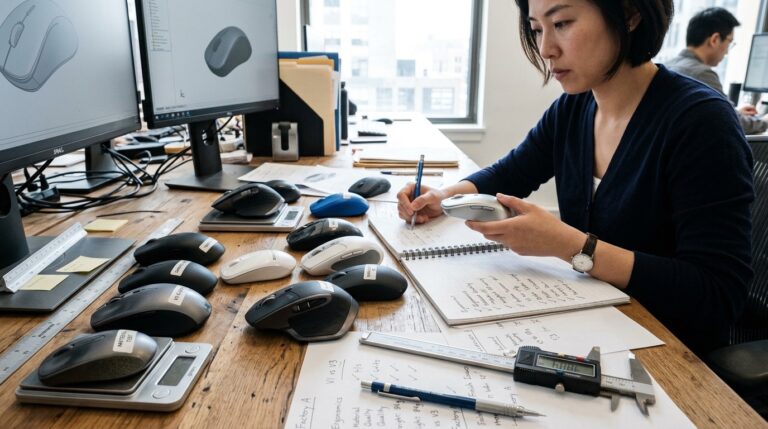
Cable assemblies are used in almost every electrical product.
Industrial automation systems, medical equipment, telecommunications devices, consumer electronics, automotive products, and renewable energy systems all rely on cable assemblies to transfer power or signals safely.
Although many manufacturers offer cable assembly services, their capabilities can vary significantly.
Some factories mainly assemble standard cables from off-the-shelf components. Others specialize in complex custom assemblies that require precise crimping, overmolding, testing, and documentation.
Understanding those differences before requesting quotations can save considerable time during supplier selection.
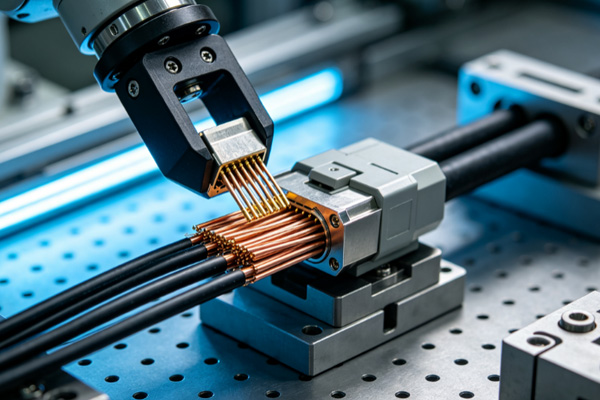
Start with the product requirements, not the supplier list
One of the most common sourcing mistakes is contacting dozens of suppliers before defining the product.
A supplier can only provide meaningful feedback when the project requirements are clear.
Before starting your search, prepare as much information as possible, including:
- Cable drawings or specifications
- Connector brands and part numbers
- Wire gauge and insulation requirements
- Required certifications
- Expected annual demand
- Testing requirements
Projects with complete documentation usually receive more accurate quotations and fewer engineering changes later.
Production capability goes beyond cable assembly
Cable assembly may look simple, but production often includes several manufacturing processes.
Depending on the product, a supplier may perform:
- Wire cutting and stripping
- Terminal crimping
- Ultrasonic welding
- Soldering
- Overmolding
- Heat shrink application
- Label printing
- Electrical testing
- Final assembly
Some manufacturers complete every process in-house, while others subcontract certain operations.
Understanding where each process takes place helps buyers evaluate production consistency and delivery risk.
Pay close attention to quality control
Many cable assembly defects cannot be identified through visual inspection alone.
For this reason, testing is just as important as assembly.
Ask suppliers what inspection methods they use during production.
Typical quality checks include:
- Crimp pull-force testing
- Continuity testing
- High-voltage testing
- Insulation resistance testing
- Visual inspection
- Final functional testing
If testing procedures are unclear, discuss them before approving samples rather than after production begins.
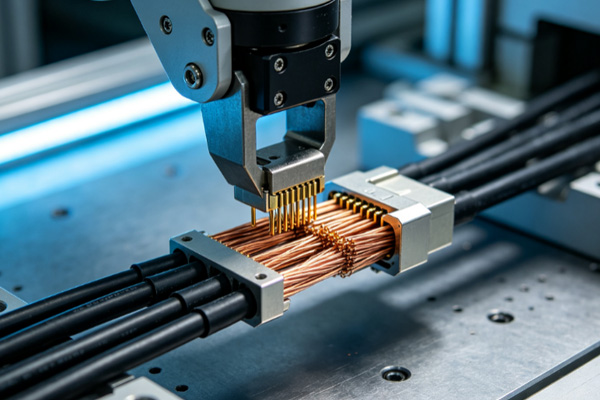
Experience with your industry matters
A supplier producing USB charging cables may not be the right choice for medical equipment or industrial control systems.
Different industries have different expectations for:
- Documentation
- Traceability
- Testing standards
- Material compliance
- Production records
Ask suppliers about projects similar to yours instead of only asking how many years they have been in business.
Relevant experience is usually more valuable than company age.
Samples should represent normal production
Samples are useful, but they should reflect the same materials, connectors, and production methods that will be used later.
When reviewing samples, check:
- Crimp quality
- Connector alignment
- Cable length tolerance
- Label accuracy
- Packaging
- Test reports
If sample approval becomes part of your supplier evaluation process, our article on Supplier Audit Checklist explains other production capabilities worth reviewing before moving to larger orders.
Communication often reveals future problems
During supplier discussions, notice how technical questions are handled.
Reliable manufacturers usually ask for missing information instead of making assumptions.
For example, they may ask about connector orientation, bending radius, shielding requirements, or testing standards.
Those conversations often prevent production problems long before the first order is placed.
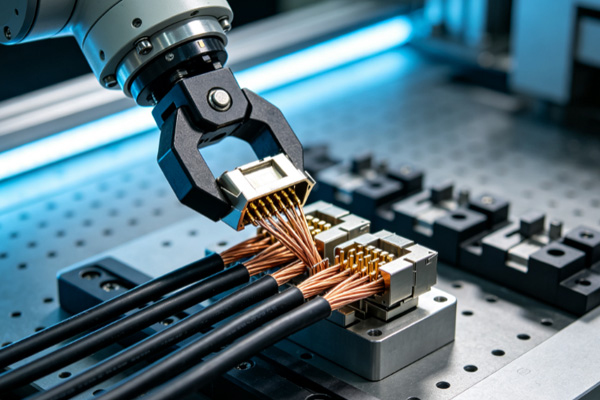
How to evaluate a cable assembly manufacturer
- Prepare complete drawings and specifications.
- Shortlist suppliers with relevant industry experience.
- Compare engineering feedback, not just quotations.
- Review testing capability and quality documentation.
- Approve production samples.
- Start with a pilot order before scaling production.
Conclusion
Reliable cable assembly suppliers are identified through capability, process control, and technical communication rather than pricing alone.
Taking time to review engineering support, testing methods, and production consistency before placing an order usually leads to fewer quality issues and a more stable supply chain.