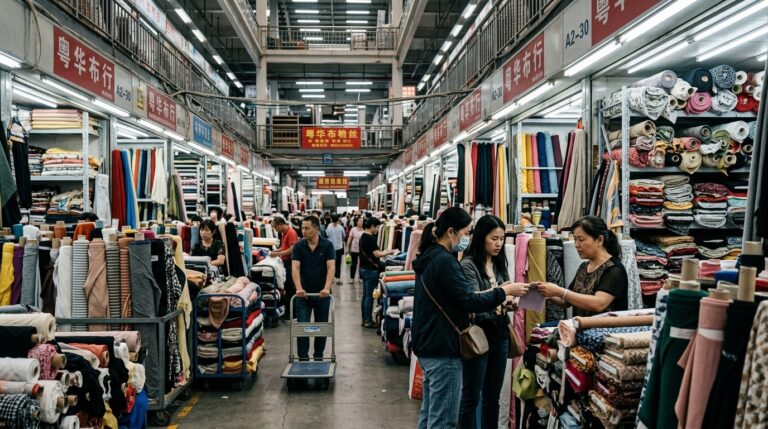
When sourcing products overseas, one of the first questions buyers face is surprisingly simple:
Should you work directly with a factory or buy through a trading company?
For many businesses, the answer is not obvious.
A supplier may present itself as a manufacturer, but in reality, it could be a trading company. Sometimes that is a problem. Sometimes it is not.
The truth is, both factories and trading companies can be valuable sourcing partners. The better choice depends on your product, order volume, sourcing experience, and long-term goals.
Some buyers assume factories are always better because prices are lower.
Others prefer trading companies because communication is easier.
Neither approach is automatically right.
Understanding the difference can help you avoid sourcing mistakes, improve supplier relationships, and make better purchasing decisions.
What Is a Factory Supplier?
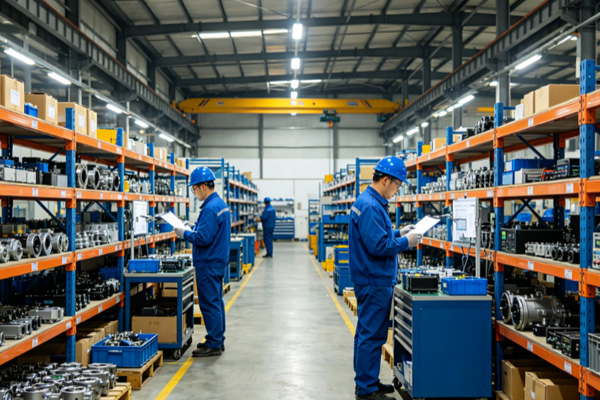
A factory (manufacturer) produces products directly.
They operate production facilities, manage workers, and manufacture goods themselves.
When buyers source directly from a factory, communication often happens with the production side of the business.
Factories usually handle:
- Product manufacturing
- Production scheduling
- Raw material sourcing
- Quality management
For businesses developing customized products, factories are often the preferred option.
Especially for OEM manufacturing.
If you are comparing manufacturing models, read: OEM vs Private Label: Which Is Better for Your Business?
What Is a Trading Company?
A trading company acts as an intermediary.
Instead of manufacturing products themselves, they source products from factories and coordinate orders for buyers.
A trading company may:
- Work with multiple factories
- Help buyers source different product categories
- Manage supplier communication
- Coordinate logistics
In some situations, buyers may not even realize they are working with a trading company.
This is common in global sourcing.
And it is not necessarily a bad thing.
A strong trading company can simplify sourcing significantly.
Factory vs Trading Company: Key Differences
| Factor | Factory | Trading Company |
|---|---|---|
| Manufacturing | Direct production | Coordinates with factories |
| Pricing | Often lower | Usually includes margin |
| Product Variety | Limited to own capability | Broader supplier access |
| MOQ | Often higher | Sometimes more flexible |
| Communication | More technical | Often easier |
| Customization | Stronger | Depends on factory network |
| Supply Chain Flexibility | Limited | Higher |
The right choice depends on priorities.
Benefits of Working Directly With a Factory
Many buyers prefer factory-direct sourcing for several reasons.
Better Production Visibility
Factories often provide stronger transparency into production.
You can ask detailed questions about:
- Materials
- Processes
- Lead times
This becomes especially useful for customized products.
Potentially Lower Pricing
Removing intermediaries may reduce costs.
However, lower pricing is not guaranteed.
A factory with high MOQ or limited flexibility may still become expensive.
Better Product Customization
Factories are often better suited for:
- OEM production
- Technical products
- Product modifications
More customization usually requires closer manufacturing involvement.
Stronger Production Control
Working directly with manufacturers may improve quality visibility.
Especially for larger orders.
Read: Supplier Audit Checklist: What to Verify Before Placing a Large Order

Benefits of Using a Trading Company
Trading companies also provide real advantages.
Especially for newer importers.
Easier Communication
Many trading companies are experienced in international business.
Communication may feel smoother.
Especially when language barriers exist.
Access to Multiple Factories
A trading company can help buyers source products from different manufacturers.
This helps when products require multiple suppliers.
Lower Complexity
For businesses without sourcing teams, trading companies may simplify:
- Supplier coordination
- Production follow-up
- Factory communication
More Flexibility for Smaller Orders
Some factories prioritize large customers.
Trading companies may sometimes support smaller order quantities.
How to Identify Whether a Supplier Is a Factory or Trading Company
Suppliers are not always transparent.
Here are several ways to verify.
Ask Direct Questions
Simple questions often reveal useful information.
For example:
Do you manufacture products in-house?
or Can we visit your factory?
Review Product Range
A supplier selling dozens of unrelated categories may be a trading company.
Factories usually specialize.
Check Certifications and Business Information
Business registrations sometimes indicate supplier type.
Verification matters.
Read: What Makes a Reliable Supplier? 10 Signs to Look For
Schedule Video Calls or Factory Visits
Production environments are usually easier to verify visually.
Especially for larger orders.
Which Option Is Better for Your Business?
There is no universal answer.
A Factory May Be Better If:
✔ You need customization
✔ Production visibility matters
✔ Order volume is high
✔ Pricing optimization matters
A Trading Company May Be Better If:
✔ You are sourcing multiple products
✔ You need easier coordination
✔ You are new to importing
✔ Order sizes are smaller
Sometimes businesses even use both.
A trading company for sourcing support.
And factories for larger strategic products.
Common Mistakes Buyers Make
Assuming Factories Are Always Better
Lower pricing does not always mean better outcomes.
Communication and reliability matter too.
Ignoring Supplier Verification
Not every supplier is what they claim to be.
Choosing Based Only on Price
Cheap sourcing often becomes expensive later.
Overlooking Communication Quality
Smooth communication often prevents costly mistakes.
Final Thoughts
The factory vs trading company decision is less about right or wrong.
And more about fit.
Factories often make sense for businesses focused on customization, scale, and production control.
Trading companies can be valuable for flexibility, communication, and supplier coordination.
The smartest sourcing decisions usually come from understanding your needs first.
Then choosing the supplier model that supports them.
Need Help Finding the Right Supplier Type?
At SourcePilot Global, we help businesses:
✓ Verify factories and suppliers
✓ Evaluate sourcing options
✓ Coordinate manufacturing projects
✓ Reduce sourcing risks
✓ Improve supplier communication
Looking for sourcing support? Contact our team to discuss your project.