Fasteners look like commodity products but hide real engineering specification behind seemingly simple items — the wrong grade bolt in a structural application is a genuine safety failure point, not just a quality inconvenience.
強度等級の理解
Metric bolts use property class markings (like 8.8, 10.9, 12.9) stamped on the bolt head, indicating tensile and yield strength. US/SAE bolts use grade markings (Grade 2, 5, 8) with a different but analogous system. Always confirm which standard applies to your application and verify the factory’s markings match actual tested performance — grade marking fraud is a known issue in low-cost fastener supply chains.
素材とメッキの選択肢
炭素鋼は標準的でコストパフォーマンスに優れています。ステンレス鋼(304、316)は、屋外や船舶用途向けに耐食性を高めており、特に316は塩分環境下でより優れた性能を発揮します。亜鉛メッキ、黒色酸化処理、溶融亜鉛めっきは一般的な表面処理の選択肢であり、それぞれ耐食性やコストの特性が異なります。
ファスナー注文の品質管理
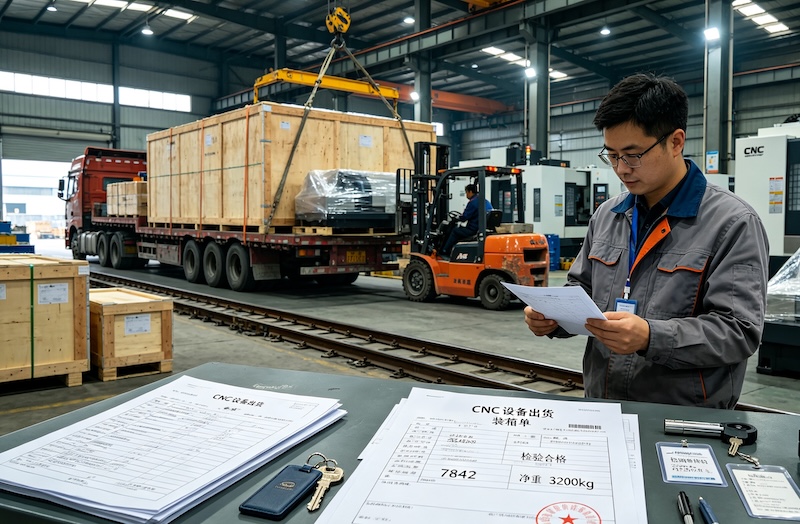
一般的な仕様書だけでなく、特定の製造ロットにおける実際の化学組成および機械的試験結果が記載された工場証明書を請求してください。大規模な注文や安全性が極めて重要な注文の場合、顧客の手元に届く前にグレードのすり替えを発見するためには、わずかな追加費用を払ってでも第三者機関によるロット試験(引張強度、硬度など)を行う価値があります。
よくある質問
ボルトに刻印されている「8.8」という表示は、実際にはどういう意味なのでしょうか?
It indicates the bolt’s property class under metric standards — the first number relates to tensile strength (roughly 800 MPa) and the second to the yield-to-tensile ratio, together indicating overall strength grade.
締結部品において、ステンレス鋼は常に炭素鋼よりも優れているのでしょうか?
Not universally — stainless offers better corrosion resistance but is generally weaker and more expensive than comparable-grade carbon steel for pure strength applications. Choose based on the actual use environment.
ファスナーの等級表示が偽造ではないことを、どのように確認すればよいでしょうか?
特定の生産ロットについて製鋼所証明書を請求するとともに、大量注文や重要な用途向けの注文については、独立した第三者機関による引張試験の実施を検討してください。