Few sourcing problems frustrate businesses more than delays.
A shipment arrives late.
Inventory runs low.
Customers start waiting.
Sales slow down.
In some cases, delayed production can create serious business disruption.
Many companies assume manufacturing lead time is something they simply have to accept.
But that is not always true.
While some delays are unavoidable, many lead time problems can be reduced through better sourcing systems and supplier management.
The key question is:
How can businesses reduce manufacturing lead time without sacrificing quality?
The answer usually involves smarter planning.
Not rushed decisions.
What Is Manufacturing Lead Time?
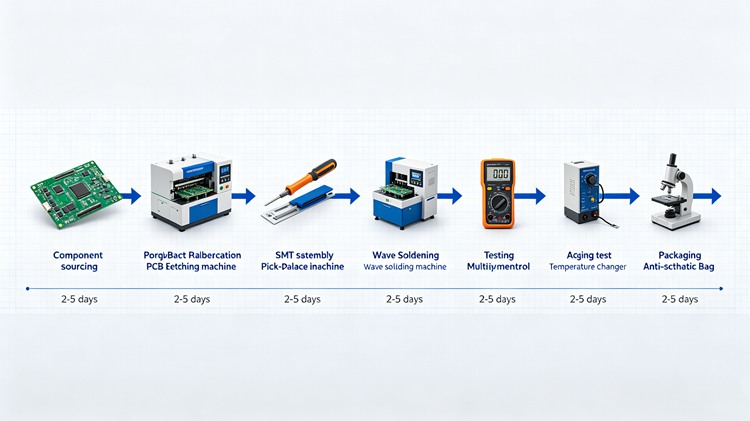
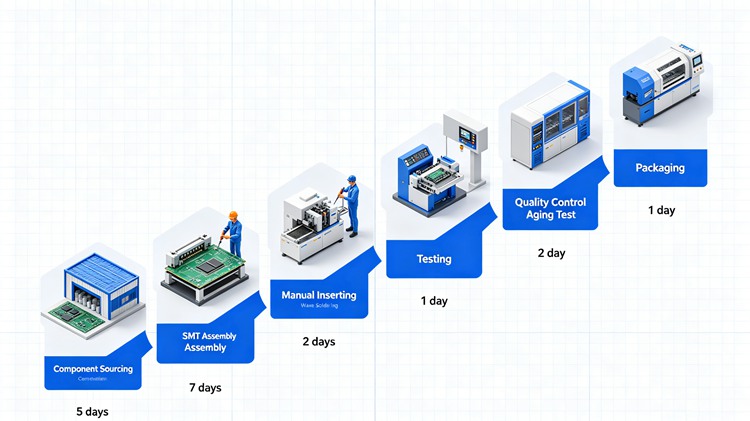
Manufacturing lead time refers to the total time required to produce and deliver products.
This often includes:
- Supplier confirmation
- Raw material sourcing
- Production scheduling
- Manufacturing
- Quality inspections
- Shipping preparation
Lead time varies depending on:
- Product complexity
- Supplier capacity
- Order size
- Seasonality
For overseas sourcing, delays can quickly compound.
A one-week production delay may become several weeks after shipping schedules are affected.
Why Long Lead Times Hurt Businesses
Long lead times create operational pressure.
Especially for growing brands.
Common challenges include:
Inventory Shortages
Late production can lead to stockouts.
Especially for ecommerce businesses.
Lost Sales Opportunities
Delayed inventory often means missed revenue.
Higher Shipping Costs
Urgent delays may force expensive air freight.
Customer Frustration
Long wait times affect customer experience.
Cash Flow Pressure
Longer production cycles tie up working capital.
Reducing lead time improves flexibility.
10 Practical Ways to Reduce Manufacturing Lead Time
Reducing lead time starts before production begins.
1. Improve Demand Forecasting
Poor forecasting creates rushed orders.
Better planning improves scheduling.
Try to estimate:
- Seasonal demand
- Sales trends
- Inventory needs
Suppliers perform better with visibility.
2. Choose Reliable Suppliers
Reliable suppliers often deliver faster and more consistently.
Poor supplier management increases delays.
Evaluate:
- Production capacity
- Communication quality
- Reliability history
Read: What Makes a Reliable Supplier? 10 Signs to Look For
3. Improve Supplier Communication
Many delays happen because of unclear instructions.
Misunderstandings slow production.
Communicate clearly about:
- Specifications
- Deadlines
- Packaging requirements
Professional communication reduces confusion.
4. Order Materials Earlier
Raw material shortages often delay manufacturing.
Especially for customized products.
Planning ahead matters.
5. Simplify Product Design
Complex products take longer to manufacture.
In some cases:
Small design changes improve production efficiency.
Ask suppliers:
Can anything be simplified without hurting quality?
6. Avoid Last-Minute Changes
Frequent revisions create delays.
Especially after production begins.
Finalize:
- Specifications
- Packaging
- Materials
before mass production starts.
7. Build Long-Term Supplier Relationships
Suppliers prioritize strong customers.
Long-term partnerships often improve:
- Production priority
- Flexibility
- Communication
Reliable relationships reduce friction.
Read: How to Negotiate Better Pricing With Suppliers Without Hurting Relationships
8. Schedule Quality Inspections Earlier
Waiting until the last minute creates bottlenecks.
Early planning improves efficiency.
Read: Quality Inspection in Manufacturing
9. Diversify Manufacturing Where Necessary
Depending on one supplier may increase delays.
Some businesses reduce risk through sourcing diversification.
Especially during seasonal demand spikes.
Read: China + 1 Strategy: Should You Diversify Your Manufacturing?
10. Use Buffer Time
Perfect production rarely exists.
Adding safety margins reduces operational stress.
Especially for important launches.
Common Lead Time Mistakes
Businesses often unintentionally create delays.
Waiting Too Long to Reorder
Late ordering increases urgency.
Prioritizing Lowest Price Over Reliability
Cheaper suppliers sometimes move slower.
Poor Communication
Misalignment creates production delays.
Ignoring Seasonal Manufacturing Pressure
Holiday seasons often slow factories.
Unrealistic Expectations
Fast timelines do not always mean reliable timelines.
Planning matters more than pressure.
Final Thoughts
Reducing lead time is rarely about rushing suppliers.
It is usually about building better systems.
Businesses that improve:
- Planning
- Communication
- Supplier relationships
- Production processes
often experience smoother manufacturing outcomes.
The fastest supply chains are rarely the most chaotic.
They are usually the most organized.
Need Help Improving Manufacturing Efficiency?
At SourcePilot Global, we help businesses:
✓ Improve supplier coordination
✓ Reduce manufacturing delays
✓ Verify production capability
✓ Improve sourcing efficiency
✓ Reduce procurement risks
Looking for sourcing support? Contact our team to discuss your project.