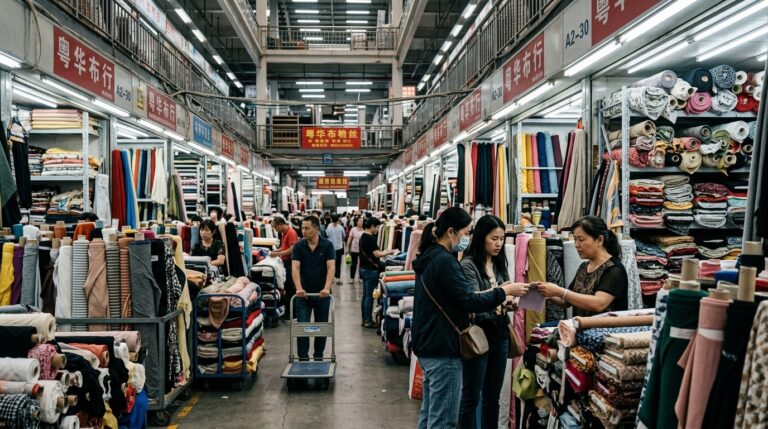
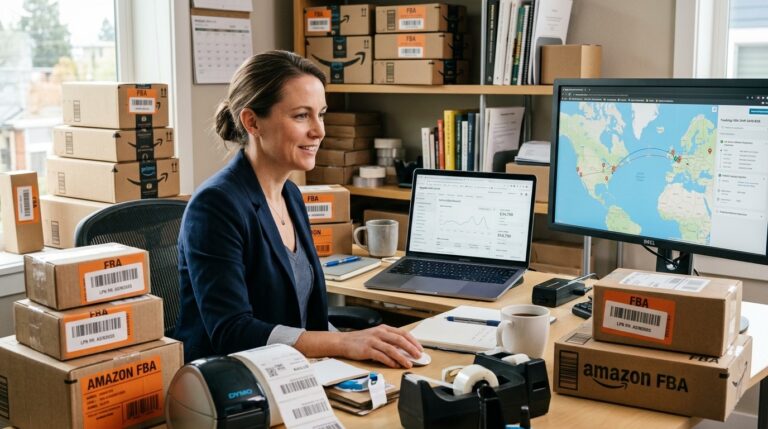
Finding reliable suppliers in China can feel overwhelming — especially if you’re sourcing products for the first time.
Thousands of factories, trading companies, sourcing agents, and online listings promise low prices and fast production. But how do you know which suppliers are legitimate?
The reality is simple:
A good supplier can help your business scale faster, improve margins, and maintain consistent product quality.
A bad supplier can lead to delayed shipments, poor quality products, unexpected costs, or even financial loss.
Whether you’re an ecommerce brand, Amazon FBA seller, startup founder, importer, or procurement professional, learning how to identify trustworthy Chinese suppliers is one of the most important skills in global sourcing.
In this guide, we’ll cover:
- Where to find reliable suppliers in China
- How to verify manufacturers before payment
- Red flags to avoid
- Factory vs trading company differences
- Best practices for successful supplier relationships

Why China Remains a Global Manufacturing Hub
Despite rising labor costs and global supply chain changes, China continues to be one of the world’s leading manufacturing centers.
Why?
Because China offers:
Large Manufacturing Capacity
Chinese factories can often handle both small production runs and large-scale orders efficiently.
This makes China suitable for:
- Ecommerce brands
- Amazon FBA sellers
- Retail importers
- Growing startups
- Established global businesses
Mature Supply Chains
One major advantage of China is its highly developed manufacturing ecosystem.
For example:
If you’re sourcing electronics, suppliers, packaging vendors, assembly factories, and logistics providers may all be located in the same region.
This reduces production time and improves efficiency.
Product Variety
China manufactures nearly every category imaginable:
- Consumer products
- Electronics
- Home goods
- Packaging
- Apparel
- Industrial components
- Hardware products
For many businesses, China still offers one of the best combinations of cost, production capacity, and manufacturing expertise.
What Makes a Supplier Reliable?
Not all suppliers are created equal.
A reliable supplier is not simply the cheapest option.
The best suppliers usually demonstrate:
Consistent Product Quality
Reliable manufacturers can consistently meet specifications and quality standards.
Consistency matters more than one perfect sample.
Transparent Communication
Good suppliers respond clearly, answer questions directly, and communicate production timelines honestly.
Poor communication is often an early warning sign.
Stable Production Capability
Reliable suppliers can meet deadlines and handle production volumes without sacrificing quality.
Proper Certifications
Depending on your product category, suppliers may need certifications such as:
- ISO certifications
- CE compliance
- FCC compliance
- RoHS
- FDA-related standards
Export Experience
Factories experienced in international business generally understand:
- Packaging requirements
- Export documentation
- Quality expectations
- Shipping coordination
Suppliers unfamiliar with overseas markets may require more management.
Where to Find Reliable Suppliers in China
There are several ways to source suppliers, but not every method offers the same level of reliability.
Let’s break down the most common options.
1. Online Supplier Platforms
Many buyers begin with sourcing platforms.
Popular examples include:
- Alibaba
- Made-in-China
- Global Sources
These platforms offer access to thousands of suppliers across industries.
However, buyers should be cautious.
A professional-looking supplier profile does not automatically mean a supplier is reliable.
Always verify factories independently.
Look for:
- Verified supplier badges
- Years in operation
- Factory audit reports
- Product consistency
- Customer reviews
Avoid relying on listings alone.
2. Trade Shows
Trade shows remain one of the best ways to meet suppliers face-to-face.
Examples include:
- Canton Fair
- Global Sources Trade Show
- Industry-specific expos
Trade shows allow buyers to:
- Compare products directly
- Meet factory representatives
- Evaluate professionalism
- Discuss customization options
For businesses placing larger orders, this can significantly reduce sourcing risks.
3. Supplier Referrals
Referrals from trusted business partners can often lead to high-quality suppliers.
Experienced importers frequently rely on professional networks for sourcing recommendations.
However, supplier fit still depends on your product requirements.
A great factory for electronics may not be ideal for home products.
4. Professional Sourcing Companies
Many businesses work with sourcing partners to simplify the process.
A sourcing company typically helps with:
- Supplier identification
- Factory verification
- Price negotiation
- Sample coordination
- Quality control
- Production management
This is especially helpful for startups or businesses without local sourcing experience.

Factory vs Trading Company: Which One Should You Choose?
This is one of the most common sourcing questions.
The answer depends on your priorities.
Factory
A factory directly manufactures products.
Advantages:
✔ Lower pricing
✔ Better production control
✔ Direct communication
✔ More customization options
Disadvantages:
✘ Higher MOQ in some cases
✘ Limited product categories
Trading Company
A trading company works with multiple factories.
Advantages:
✔ Easier communication
✔ Access to multiple products
✔ Lower MOQ sometimes
Disadvantages:
✘ Higher pricing
✘ Less production transparency
For complex sourcing projects, both models can work.
The key is understanding who you are working with.
How to Verify a Chinese Supplier
Supplier verification is where many successful importers separate themselves from beginners.
Never send payment without verification.
Here’s a practical checklist.
Check Business Registration
Ask for:
- Business license
- Company registration information
- Export license (if relevant)
Legitimate suppliers should provide this information without hesitation.
Confirm Manufacturing Capability
Ask questions like:
- Do you own your factory?
- What is your monthly production capacity?
- What products do you specialize in?
- Can you share factory photos or videos?
Consistency between answers matters.
Request Product Samples
Always order samples before bulk production.
Evaluate:
- Product quality
- Materials
- Packaging
- Finishing details
- Functionality
Never assume mass production will match catalog photos.
Conduct a Factory Audit
For larger orders, factory audits are highly recommended.
Audits help confirm:
- Factory legitimacy
- Equipment capability
- Workforce size
- Quality systems
- Compliance standards
This step significantly reduces supplier risk.
Use Third-Party Quality Inspections
Many buyers inspect products before shipment.
This helps detect:
- Defects
- Incorrect packaging
- Missing components
- Specification mismatches
Fixing issues before shipping is much cheaper than after arrival.
Warning Signs and Supplier Red Flags
Reliable suppliers are usually transparent.
Be cautious if you notice these warning signs:
Extremely Low Prices
If pricing feels unrealistically cheap, there may be hidden quality issues.
Poor Communication
Slow replies, vague answers, or inconsistent information can signal problems later.
Pressure for Fast Payment
Suppliers pushing aggressively for deposits before answering questions should raise concerns.
No Samples Available
Professional suppliers generally offer samples.
Refusal to Share Company Information
A legitimate business should be transparent.
Questions to Ask Before Choosing a Supplier
Before placing an order, ask:
- What is your MOQ?
- What certifications do you have?
- What are your lead times?
- Can you customize packaging?
- What quality inspections do you perform?
- Have you exported to my country before?
- What payment methods do you accept?
The quality of responses often reveals supplier professionalism.
How to Build Long-Term Supplier Relationships
The best sourcing results rarely come from switching suppliers constantly.
Strong supplier relationships often lead to:
- Better pricing
- Faster production
- Priority scheduling
- More flexibility
Here are simple ways to build trust:
Communicate Clearly
Avoid misunderstandings through detailed specifications.
Pay On Time
Reliable payment builds credibility.
Set Realistic Expectations
Strong partnerships require mutual trust.
Focus on Long-Term Value
The cheapest supplier isn’t always the best business partner.
Final Thoughts
Finding reliable suppliers in China takes time, research, and verification.
The goal isn’t simply finding the cheapest manufacturer — it’s finding a partner that can consistently deliver quality products and support your growth.
The most successful sourcing strategies focus on:
- Supplier reliability
- Product consistency
- Clear communication
- Quality control
- Long-term partnerships
When approached correctly, China sourcing can become a major competitive advantage for your business.
Need Help Finding Reliable Suppliers in China?
At SourcePilot Global, we help businesses:
✓ Find qualified suppliers
✓ Verify factories before production
✓ Manage OEM & ODM sourcing
✓ Improve procurement efficiency
✓ Reduce sourcing risks
Looking for a trusted sourcing partner? Contact our team to discuss your sourcing needs.