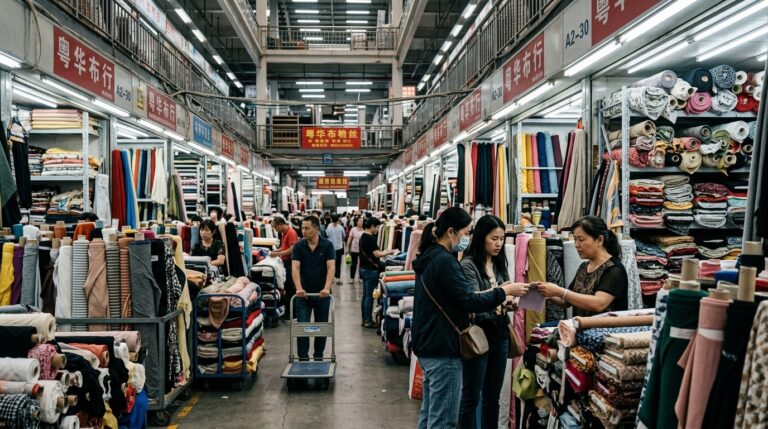
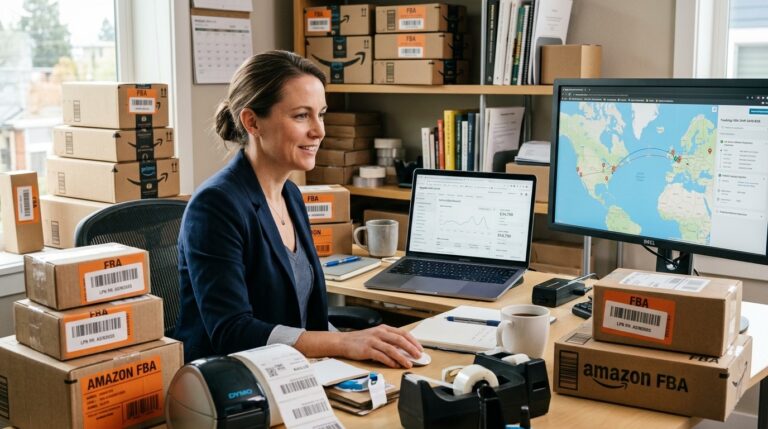
Global sourcing has become one of the most important strategies for companies looking to reduce costs, improve product quality, and scale faster in competitive markets.
Whether you’re an ecommerce brand, Amazon seller, importer, startup founder, or procurement professional, understanding how global sourcing works can help you build a stronger supply chain and avoid expensive mistakes.
But what exactly is global sourcing?
Is it simply buying products from overseas? How do businesses find reliable suppliers? And what risks should companies be aware of before sourcing internationally?
In this guide, we’ll break everything down in simple terms — from how global sourcing works to its benefits, challenges, and best practices.
What Is Global Sourcing?
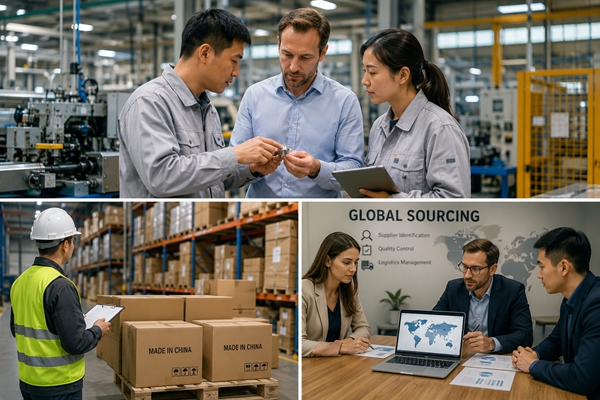
Global sourcing is the process of finding suppliers, manufacturers, or products from international markets instead of relying only on domestic suppliers.
In simple terms, businesses source products, materials, or services from countries that can provide better pricing, higher quality, specialized manufacturing capabilities, or faster production.
For example:
- A US ecommerce brand sourcing private label products from China
- A European company purchasing components from Vietnam
- A startup manufacturing electronics in Southeast Asia
- A retailer sourcing packaging from overseas suppliers
Global sourcing is not limited to large corporations. Today, even small businesses and startups use international sourcing to stay competitive.
Instead of manufacturing everything locally, businesses can access global supplier networks and choose the best manufacturing partners based on cost, quality, expertise, and production capacity.
Why Businesses Use Global Sourcing
There’s a reason why companies worldwide invest heavily in global sourcing.
The biggest advantage is flexibility.
Rather than being limited to local suppliers, businesses can compare manufacturers from different countries and choose the best fit for their goals.
Here are some common reasons companies source globally:
1. Lower Manufacturing Costs
Many countries offer lower labor and production costs compared to domestic manufacturing.
For example, countries like China, Vietnam, and India often provide competitive pricing for manufacturing products at scale.
Lower costs can improve profit margins, especially for ecommerce businesses and growing brands.
However, low cost should never be the only deciding factor. Quality control and supplier reliability matter just as much.
2. Access to Specialized Manufacturing
Some countries specialize in certain industries.
For example:
- China → electronics, consumer goods, packaging
- Vietnam → textiles and furniture
- India → pharmaceuticals and engineering
- Mexico → automotive and industrial production
Choosing the right sourcing region can significantly improve product quality and production efficiency.
3. Better Scalability
As businesses grow, local suppliers may struggle to meet increased demand.
Global sourcing allows companies to scale manufacturing capacity more efficiently.
Instead of relying on one supplier, businesses can diversify production across multiple regions.
4. Increased Supplier Options
Global sourcing gives businesses access to thousands of suppliers worldwide.
This creates more opportunities to compare:
- Pricing
- Product quality
- Lead times
- Manufacturing capabilities
- Certifications
- Production flexibility
A broader supplier pool often leads to better long-term sourcing decisions.

How Global Sourcing Works
Although the process may sound complicated, global sourcing usually follows a structured workflow.
Step 1: Define Product Requirements
Before contacting suppliers, businesses should clearly define:
- Product specifications
- Materials
- Packaging requirements
- Quality standards
- Budget expectations
- Minimum order quantities (MOQ)
Clear requirements reduce misunderstandings during production.
Step 2: Find Potential Suppliers
Businesses typically search suppliers through:
- Manufacturing directories
- Trade shows
- Supplier databases
- Industry referrals
- Professional sourcing companies
This stage is critical because choosing the wrong supplier can lead to delays, poor quality, or financial losses.
Step 3: Supplier Verification
Not all suppliers are trustworthy.
Businesses should verify:
- Business licenses
- Factory capabilities
- Production history
- Quality certifications
- Customer references
Supplier verification helps reduce sourcing risks before placing orders.
Step 4: Sample Testing
Before mass production, companies should request product samples.
Testing samples helps evaluate:
- Product quality
- Materials
- Durability
- Packaging
- Compliance standards
Skipping this step can become expensive later.
Step 5: Production and Quality Control
Once approved, production begins.
Many successful importers implement quality inspections during manufacturing rather than waiting until products arrive.
This helps identify defects early and avoid shipment issues.
Step 6: Shipping and Logistics
Finally, products are shipped internationally through:
- Air freight
- Sea freight
- Rail logistics
- Courier services
Shipping timelines, customs, and import regulations all play a role in sourcing success.
Benefits of Global Sourcing
When done correctly, global sourcing can create major competitive advantages.
Cost Savings
Businesses can reduce production costs and improve profitability.
Product Variety
Companies gain access to more product categories and manufacturing capabilities.
Better Supplier Competition
Competition between suppliers often leads to better pricing and service.
Supply Chain Flexibility
Companies can diversify sourcing locations to reduce dependency on one market.
Faster Business Growth
Access to scalable manufacturing enables brands to expand more efficiently.
Challenges and Risks of Global Sourcing
While global sourcing offers many benefits, it also comes with risks.
Communication Barriers
Language differences and time zones can cause misunderstandings.
Clear documentation is essential.
Quality Problems
Without inspections or verification, businesses may receive products below expectations.
Shipping Delays
International logistics can sometimes face disruptions.
Supplier Fraud
Unfortunately, fake suppliers and trading scams still exist.
This is why supplier verification is extremely important before payment.
Compliance Issues
Businesses should ensure suppliers meet import regulations, certifications, and safety requirements.

Global Sourcing vs Local Sourcing
One of the biggest questions businesses ask is whether they should manufacture locally or source internationally.
The answer depends on your goals, budget, and product requirements.
Here’s a simple comparison:
| Factor | Global Sourcing | Local Sourcing |
|---|---|---|
| Cost | Usually lower | Often higher |
| Supplier options | More choices | Limited |
| Production capacity | Highly scalable | May be limited |
| Shipping time | Longer | Faster |
| Communication | More challenging | Easier |
| Quality control | Requires management | Easier to monitor |
For businesses focused on scaling and cost efficiency, global sourcing often makes more financial sense.
However, local sourcing may be better for companies prioritizing faster delivery, small-batch production, or highly customized manufacturing.
In reality, many successful brands combine both strategies.
For example, a company might source core products overseas while handling packaging or fulfillment domestically.
Why Many Businesses Work with Sourcing Partners
Finding suppliers overseas sounds simple in theory.
In practice, it can be time-consuming and risky.
Many businesses struggle with:
- Identifying trustworthy suppliers
- Language barriers
- Factory negotiations
- Product inspections
- Shipping coordination
- Production management
That’s why many brands choose to work with professional sourcing partners.
A sourcing partner helps businesses:
Supplier Identification
Finding qualified factories that match product requirements.
Supplier Verification
Reducing risks through factory checks and validation.
Price Negotiation
Helping secure competitive pricing without sacrificing quality.
Quality Control
Managing inspections during production.
Logistics Coordination
Supporting international shipping and supply chain management.
For startups and growing brands, this often reduces costly sourcing mistakes and saves time.
Final Thoughts
Global sourcing has transformed how modern businesses manufacture and grow.
Instead of being limited to local suppliers, companies now have access to global manufacturing networks that offer better pricing, specialized production, and scalable capacity.
But successful sourcing isn’t only about finding the cheapest supplier.
The most successful businesses focus on:
- Supplier reliability
- Product quality
- Clear communication
- Risk management
- Long-term partnerships
When done strategically, global sourcing can help businesses reduce costs, improve product quality, and scale faster in competitive markets.
Looking for Reliable Global Sourcing Support?
Whether you’re sourcing your first product or scaling an existing supply chain, choosing the right manufacturing partner matters.
At SourcePilot Global, we help businesses:
✓ Find reliable suppliers
✓ Verify manufacturers
✓ Manage product sourcing
✓ Support OEM & ODM projects
✓ Improve procurement efficiency
Need help sourcing products globally? Contact our team to discuss your sourcing requirements.