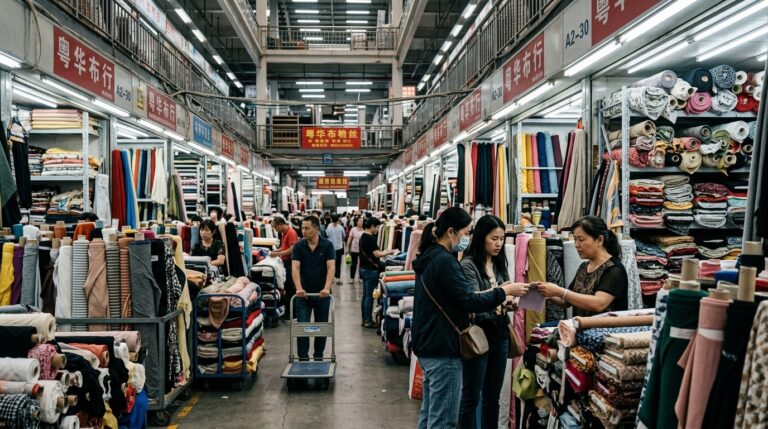
PCB assembly (PCBA) is one of the most critical stages in electronics manufacturing.
At this stage, bare circuit boards are transformed into functional electronic products through component placement, soldering, and testing.
While PCB fabrication focuses on the board itself, PCBA determines whether the final product actually works as intended.
China has a highly developed PCB assembly ecosystem, ranging from small SMT workshops to fully automated factories capable of high-volume production for global electronics brands.
However, PCBA sourcing is not simply about finding a supplier with SMT machines.
The real challenge is ensuring consistent assembly quality, component traceability, and stable production across batches.
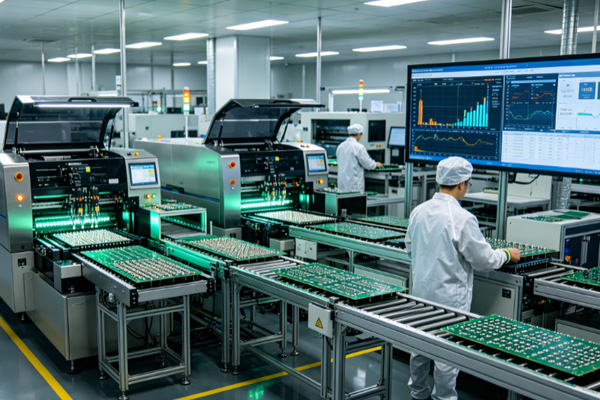
Why PCB assembly is more sensitive than PCB fabrication
Many buyers assume PCB fabrication and assembly are similar processes.
In reality, PCBA introduces additional complexity:
- Component sourcing and authenticity
- SMT placement accuracy
- Soldering quality control
- Firmware or functional testing
- Rework and defect handling
Even if the PCB itself is perfectly manufactured, poor assembly can still cause product failure.
This is why PCBA suppliers must be evaluated more carefully than standard fabrication factories.
Common issues in PCB assembly sourcing
Overseas buyers often encounter similar problems when working with PCBA suppliers:
- Mixed component sourcing quality (authentic vs substitute parts)
- Cold solder joints or weak connections
- Inconsistent assembly between batches
- Missing or incorrect components
- Weak functional testing procedures
Most of these issues are not immediately visible at the sample stage.
They often appear only during mass production or field use.
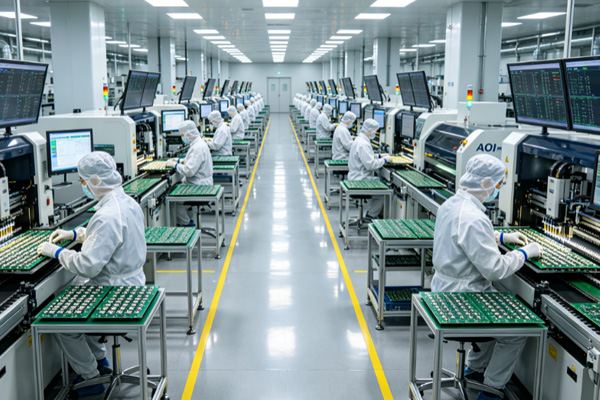
Types of PCB assembly manufacturers in China
Understanding supplier structure helps reduce sourcing risk.
1. Small SMT assembly workshops
Suitable for prototypes and low-volume production.
2. Standard PCBA factories
Handle medium-volume consumer electronics and industrial products.
3. High-reliability PCBA manufacturers
Specialized in automotive, medical, and industrial control systems with strict quality systems.
For long-term or mission-critical projects, high-reliability manufacturers are usually more stable.
What to evaluate before selecting a PCBA supplier
Price is rarely the most important factor in PCB assembly sourcing.
More important evaluation areas include:
- SMT line capability and automation level
- Component sourcing control system
- ESD protection and production environment
- AOI (Automated Optical Inspection) coverage
- Functional testing capability
- Traceability of components and batches
A supplier that can clearly explain its production flow is usually more reliable than one offering only pricing information.
Component sourcing is a hidden risk factor
One of the biggest risks in PCBA is not assembly itself, but component sourcing.
Suppliers may use:
- Original branded components
- Authorized substitutes
- Unverified alternatives
Without proper control, this can lead to performance differences or long-term reliability issues.
Experienced buyers usually require:
- BOM validation
- Approved vendor list (AVL)
- Component traceability reports
How experienced buyers evaluate PCBA manufacturers
Professional procurement teams usually follow a structured approach:
- Review SMT production line capability
- Validate quality control procedures
- Check component sourcing transparency
- Request pilot production runs
- Perform functional testing before approval
- Monitor first batch production closely
This process helps identify issues before scaling orders.
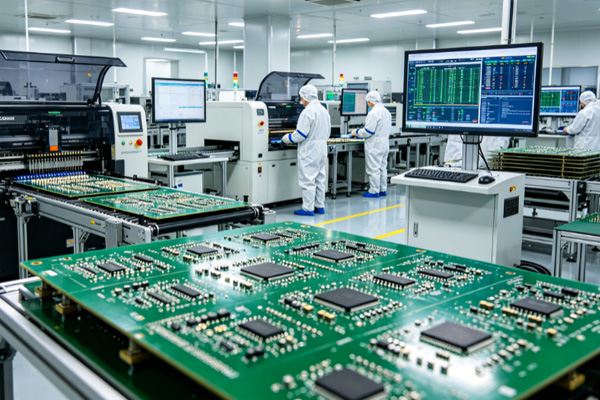
Quality control in PCB assembly
Unlike PCB fabrication, PCBA quality control is multi-layered.
It typically includes:
- Incoming component inspection
- SMT placement inspection (AOI)
- Solder joint inspection
- Functional testing
- Final visual inspection
If any stage is weak, final product reliability can be affected.
This is why structured supplier evaluation methods such as Supplier Audit Checklist are often used before mass production.
Final Thoughts
PCB assembly is the point where electronic products become functional systems.
Unlike simple fabrication, it involves multiple interconnected processes including sourcing, assembly, and testing.
The most reliable PCBA suppliers are those that can maintain consistency across all stages of production, not just assembly speed.
For overseas buyers, selecting the right PCBA partner often determines whether an electronics project succeeds in mass production or faces repeated quality issues.