Sheet metal fabrication is one of the most widely used manufacturing processes in industrial production.
From electrical enclosures and industrial cabinets to automotive components and machinery housings, sheet metal parts are used across almost every manufacturing sector.
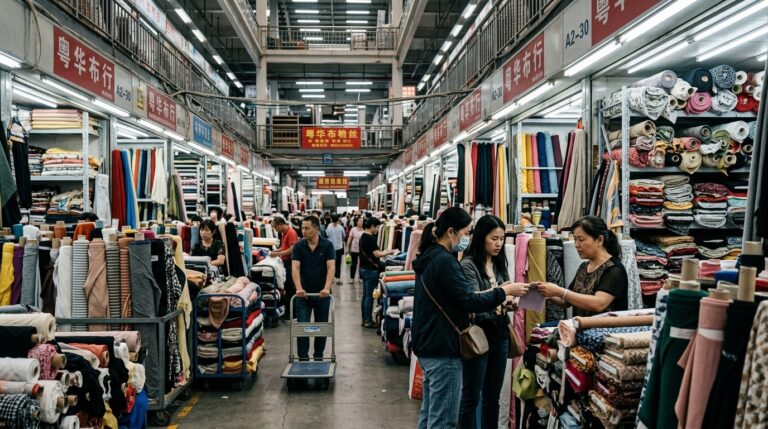
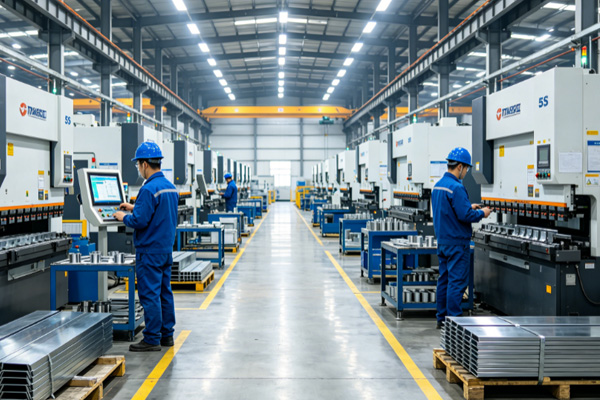
China has a large and mature sheet metal fabrication industry, with suppliers ranging from small workshops to highly automated factories capable of laser cutting, CNC bending, welding, and surface finishing at scale.
However, not all suppliers are suitable for the same type of project.
A factory that handles simple brackets may not be capable of producing precision enclosures with tight tolerances or complex assemblies.
This is why selecting the right sheet metal fabrication manufacturer requires more than comparing unit prices.
It requires understanding capability, process control, and production consistency.
Why sheet metal sourcing is more complex than it looks
At a basic level, sheet metal fabrication looks straightforward.
Cutting, bending, welding, and finishing.
In practice, each step affects the final product quality.
Key variables include:
- Material thickness and type (steel, aluminum, stainless steel)
- Laser cutting accuracy
- Bending precision and spring-back control
- Welding quality and structural strength
- Surface treatment and coating consistency
Small variations in any of these steps can affect fit, durability, and assembly performance.
This is especially important for products used in industrial or electronic systems.
Common issues buyers face when sourcing sheet metal manufacturers
Overseas buyers often encounter similar problems:
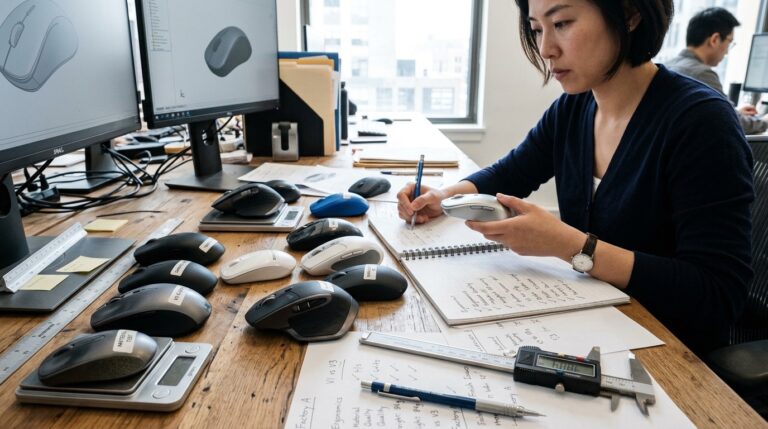
- Parts do not match CAD drawings after bending
- Welding deformation affects assembly fit
- Surface finishing inconsistencies between batches
- Material substitution without notice
- Tolerance issues in repeated production runs
These issues usually do not come from a single failure point.
They often result from weak process control or incomplete technical communication before production starts.
Types of sheet metal fabrication suppliers in China
Understanding supplier capability helps reduce sourcing risk.
1. Small fabrication workshops
Focus on simple parts, prototypes, and low-volume production.
2. Mid-size fabrication factories
Offer laser cutting, bending, welding, and basic assembly services.
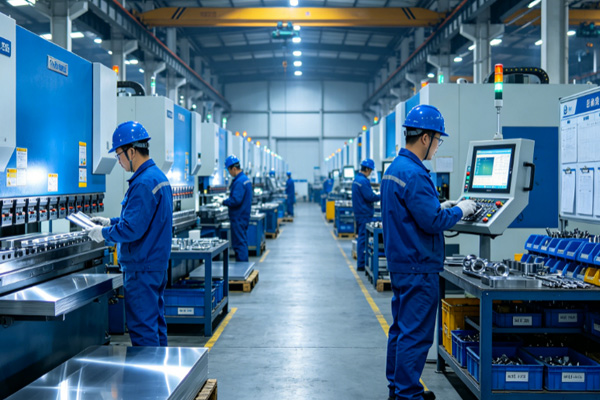
3. Advanced sheet metal manufacturers
Provide integrated production including CNC machining, surface treatment, and complex assemblies.
For industrial or long-term projects, integrated manufacturers are usually more stable.
What to evaluate before selecting a supplier
Instead of focusing on price alone, experienced buyers evaluate suppliers based on capability.
Key areas include:
- Laser cutting precision
- Bending equipment capability
- Welding technology (MIG, TIG, spot welding)
- Surface treatment options (powder coating, anodizing, plating)
- Assembly capability for multi-part structures
- Dimensional inspection systems
A supplier that clearly explains process control is usually more reliable than one focusing only on quotation speed.
Engineering communication plays a critical role
Sheet metal fabrication is highly dependent on drawing interpretation.
Before production, buyers should confirm:
- Bend allowance calculations
- Tolerance definitions for each feature
- Welding points and structural reinforcement
- Assembly alignment requirements
Misunderstandings at this stage often lead to rework later.
If supplier selection is part of a larger sourcing strategy, it is worth reviewing structured supplier evaluation methods such as Supplier Audit Checklist.
Material selection affects final performance
Material choice is not only about cost.
It directly affects strength, weight, corrosion resistance, and finishing quality.
Common materials include:
- Cold rolled steel (CRS)
- Stainless steel (304, 316)
- Aluminum alloys
Suppliers should be able to recommend suitable materials based on application requirements rather than only accepting buyer specifications without feedback.
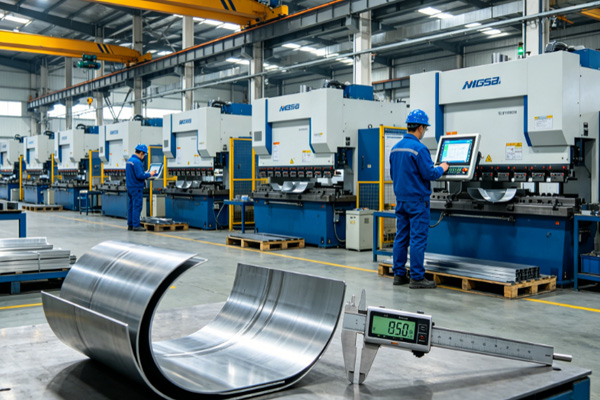
How experienced buyers source sheet metal manufacturers
Most professional buyers follow a structured approach:
- Identify suppliers based on capability, not location
- Request engineering feedback on drawings
- Compare manufacturing approach, not just pricing
- Validate prototype samples
- Test fit and assembly before mass production
- Scale gradually after process stability is confirmed
This reduces the risk of production mismatch and dimensional issues.
Final Thoughts
Sheet metal fabrication is not just a cutting and bending process.
It is a controlled manufacturing system where accuracy, repeatability, and engineering communication determine final product quality.
The most reliable suppliers are not necessarily the cheapest or the largest, but those who can consistently translate engineering drawings into stable physical production.
For overseas buyers, investing time in supplier evaluation at the early stage usually prevents most production issues later in the project lifecycle.