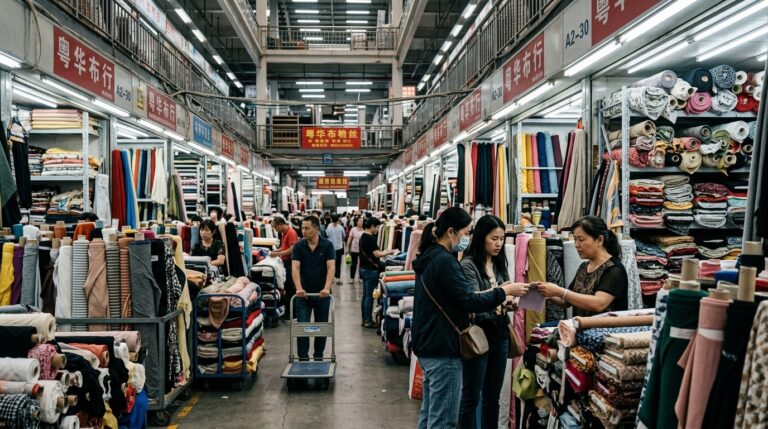
Finding a reliable manufacturer in China is often harder than it looks.
At first glance, there are thousands of suppliers available on platforms like Alibaba or Made-in-China. Many of them look similar. Most claim to offer competitive pricing, fast production, and stable quality.
But in real sourcing projects, the challenge is not finding suppliers.
It is finding the right one.
A supplier that can consistently produce your product, communicate clearly, and scale with your business.
For overseas buyers, especially small and medium-sized companies, the sourcing process often involves trial and error. Some suppliers respond quickly at the beginning but fail to deliver consistent quality. Others may look professional but lack real production capability.
This is why a structured approach matters.
Where to Start When Looking for Manufacturers in China
Most buyers begin their search online. This is also where most initial filtering happens.
Common sourcing channels include:
B2B Platforms
Platforms like Alibaba or Made-in-China are often the first step. They provide access to thousands of suppliers, but they do not guarantee reliability.
These platforms are useful for initial discovery, but not final selection.
Google Search
Searching directly on Google often helps identify more specialized manufacturers. Many factories also operate independent websites instead of relying on marketplaces.
Industry Referrals
In many cases, suppliers are found through industry connections, trade shows, or existing networks. This is usually more reliable than random online searches.
Sourcing Companies
Some businesses choose to work with sourcing companies to help identify and verify suppliers in China.
This is especially common when:
- The product is new
- The buyer has no local experience
- Supplier verification is difficult

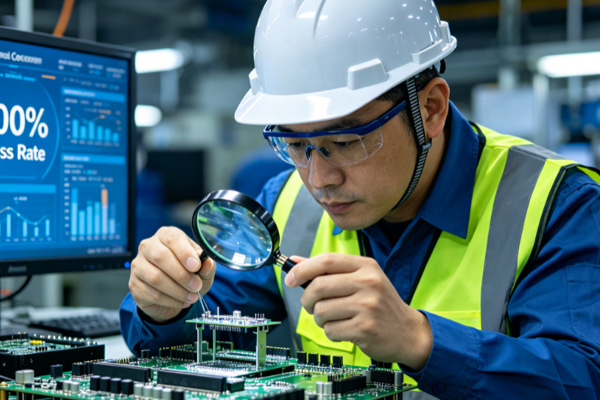
How to Evaluate Whether a Manufacturer Is Reliable
Finding a supplier is only the first step. The real challenge is evaluation.
Check Production Capability
A reliable manufacturer should be able to clearly explain:
- What they produce in-house
- What is outsourced
- Their production capacity
- Their experience with similar products
Factories that cannot explain their process clearly are often risky.
Review Product Specialization
In most cases, strong manufacturers focus on specific categories rather than everything.
A factory producing unrelated product types may not be specialized enough for consistent quality.
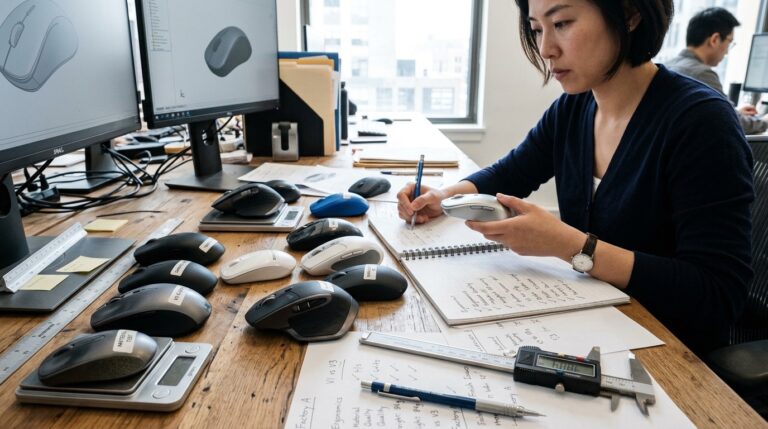
Ask for Real Production Samples
Samples should reflect real production capability, not only ideal conditions.
This is where many buyers make mistakes by assuming sample quality always represents mass production.
Related reading:
Verify Business Information
Basic verification should include:
- Company registration
- Factory location
- Years of operation
Even simple checks can eliminate many unreliable suppliers early.
Evaluate Communication Quality
Communication is often underestimated.
However, unclear or inconsistent communication usually leads to production problems later.
Common Mistakes When Finding Manufacturers in China
Many sourcing issues happen before production even starts.
Choosing Based Only on Price
Low pricing is often attractive, but it does not always reflect total sourcing cost or long-term reliability.
Ignoring Supplier Type
Not all suppliers are factories. Some are trading companies, which may affect pricing and communication structure.
Related reading:
Skipping Supplier Verification
Many buyers rely too heavily on online profiles without deeper verification.
Not Defining Product Requirements Clearly
Unclear specifications often lead to inconsistent production results.
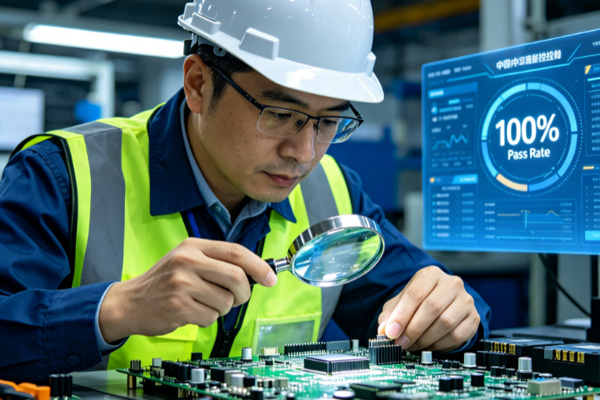
When Businesses Choose to Work With Sourcing Partners
Some companies prefer to use sourcing partners when:
- They do not have time to manage suppliers directly
- They need help verifying factories
- They want to reduce sourcing risk
- They are entering the China market for the first time
In these cases, a sourcing partner helps bridge communication and verification gaps.
Final Thoughts
Finding reliable manufacturers in China is not just about searching.
It is about filtering, verifying, and understanding how suppliers actually operate.
Most sourcing problems do not come from lack of options.
They come from choosing too quickly without proper evaluation.
A structured approach—combined with clear requirements and proper verification—usually leads to better long-term results.
For many businesses, especially those scaling internationally, having a structured sourcing process or support system can make the difference between stable supply chains and constant disruptions.