If you’re planning to manufacture products overseas, one of the first terms you’ll hear is:
OEM and ODM.
At first glance, they sound similar.
But choosing the wrong manufacturing model can affect everything from costs and customization to branding, speed, and long-term scalability.
For startups, ecommerce brands, Amazon sellers, and importers, understanding the difference between OEM and ODM manufacturing is essential before working with suppliers.
So what exactly do these terms mean?
And more importantly:
Which one is right for your business?
In this guide, we’ll explain the differences between OEM and ODM manufacturing, compare the pros and cons of each model, and help you decide which approach makes the most sense for your product strategy.
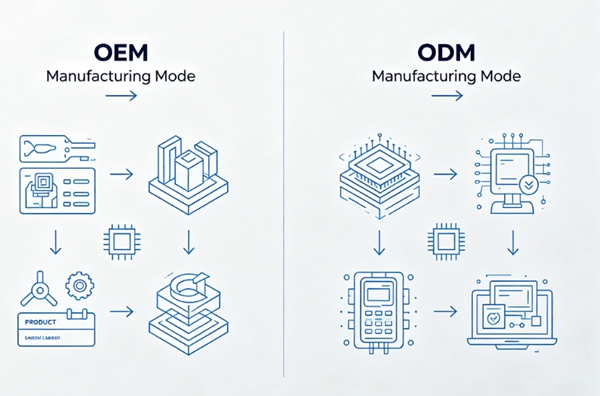
What Is OEM Manufacturing?
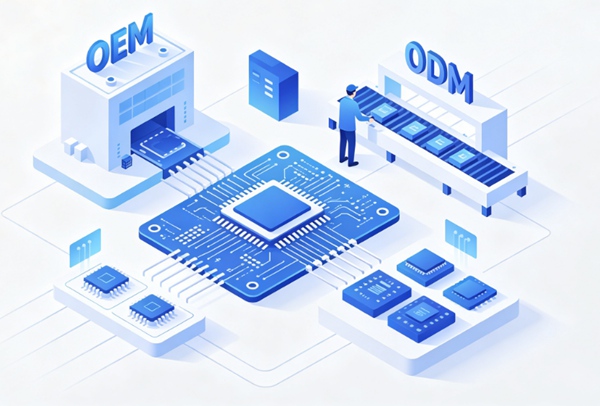
OEM (Original Equipment Manufacturing) means a factory manufactures products based on your custom specifications.
In simple terms:
You provide the idea, design requirements, product features, materials, or technical drawings — and the manufacturer produces it for your brand.
OEM manufacturing usually involves:
- Custom product development
- Private labeling
- Product customization
- Proprietary specifications
- Unique packaging
For example:
A business develops a custom kitchen appliance with unique features and hires a factory to manufacture it under its own brand.
The product belongs to the brand — not the factory.
OEM Examples
- Custom electronics
- Branded consumer goods
- Industrial equipment
- Custom packaging products
- Unique home products
OEM is commonly used by brands wanting product differentiation.
What Is ODM Manufacturing?
ODM (Original Design Manufacturing) means a manufacturer already has an existing product design.
Instead of creating products from scratch, buyers select pre-developed products and customize certain elements.
Typical ODM customization includes:
- Logo branding
- Packaging changes
- Color adjustments
- Minor feature modifications
For example:
A supplier already manufactures water bottles.
You add:
- Your logo
- Custom packaging
- Small design tweaks
Then sell it under your brand.
ODM is often faster and more affordable than OEM.
OEM vs ODM: Key Differences
| Factor | OEM | ODM |
|---|---|---|
| Product Design | Fully customized | Existing design |
| Development Cost | Higher | Lower |
| Time to Market | Longer | Faster |
| Product Uniqueness | High | Moderate |
| MOQ | Often higher | Usually lower |
| Branding | Fully customized | Partial customization |
| IP Ownership | Usually buyer-owned | Supplier-owned design |
The biggest difference is simple:
OEM = Build Your Own Product
ODM = Customize an Existing Product
Pros and Cons of OEM Manufacturing
OEM offers major advantages — but also more complexity.
Advantages of OEM
Product Differentiation
OEM allows brands to create unique products competitors cannot easily copy.
This improves market positioning.
Better Brand Value
Custom products often strengthen brand identity.
Greater Design Flexibility
Businesses can control:
- Materials
- Features
- Specifications
- Packaging
Stronger Long-Term Margins
Unique products often justify higher selling prices.
Disadvantages of OEM
Higher Development Costs
OEM often requires:
- Tooling fees
- Product development costs
- Sampling revisions
Longer Lead Times
Custom manufacturing takes time.
Design, testing, and revisions can slow launches.
Higher Risk
Poor product specifications can create expensive mistakes.
Pros and Cons of ODM Manufacturing
ODM is popular for businesses wanting speed and simplicity.
Advantages of ODM
Faster Product Launches
Products already exist.
This shortens production timelines significantly.
Lower Upfront Costs
No major development process required.
Lower Risk for Beginners
Startups often choose ODM to test product demand before investing heavily.
Easier Supplier Selection
Factories already have manufacturing systems in place.
Disadvantages of ODM
Less Product Differentiation
Competitors may sell similar products.
Limited Customization
You can only modify products within supplier capabilities.
Weaker Brand Exclusivity
The same product may exist under multiple brands.
Cost Comparison: OEM vs ODM
Cost is often one of the biggest deciding factors.
OEM Costs More
Because OEM involves:
- Product development
- Tooling
- Prototypes
- Engineering adjustments
Initial investment is usually higher.
However, OEM may improve margins later through unique products.
ODM Costs Less
ODM products already exist.
This reduces:
- Development expenses
- Production setup costs
- Time investment
For businesses with limited budgets, ODM can be a practical starting point.
Which Model Is Better for Your Business?
The best choice depends on your goals.
Choose OEM If:
✔ You want a unique product
✔ Brand differentiation matters
✔ You have a larger budget
✔ Long-term growth is the goal
✔ You want more control
Best for:
- Established brands
- Consumer product companies
- Tech products
- Innovative products
Choose ODM If:
✔ You want faster launches
✔ You have limited budget
✔ You’re testing demand
✔ You want lower risk
Best for:
- Ecommerce brands
- Amazon FBA sellers
- Startups
- Small importers
Common Mistakes Buyers Make
Many businesses misunderstand manufacturing models.
Avoid these mistakes.
Choosing OEM Too Early
Some startups invest heavily in OEM before validating market demand.
This increases financial risk.
In many cases, starting with ODM is smarter.
Ignoring Supplier Capability
Not all factories handle OEM projects well.
Supplier verification matters.
If you’re unsure how to evaluate factories, read our guide on How to Find Reliable Suppliers in China
Choosing Based Only on Cost
Cheap suppliers can lead to:
- Poor quality
- Delays
- Product inconsistencies
Always evaluate supplier experience.
Skipping Supplier Verification
Before production, businesses should verify:
- Factory capability
- Export experience
- Certifications
- Production quality
You can learn more in our guide on How to Avoid Supplier Scams When Sourcing Overseas
How OEM & ODM Fit Into Global Sourcing
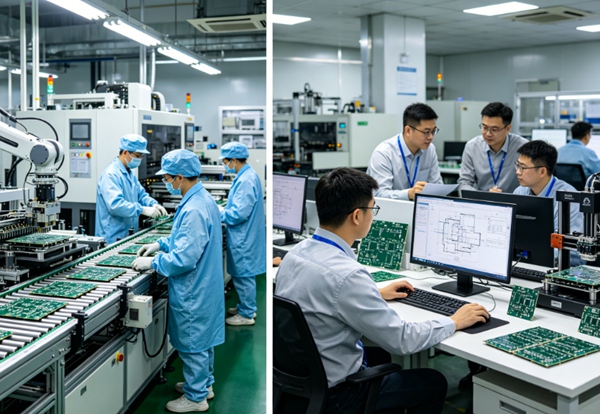
OEM and ODM are part of a larger sourcing strategy.
Businesses sourcing internationally often compare:
- Cost
- Lead time
- Scalability
- Product uniqueness
If you’re new to international sourcing, our guide on What Is Global Sourcing? explains the process step by step.
You may also want to compare manufacturing models in China Sourcing vs Local Manufacturing
Final Thoughts
Choosing between OEM vs ODM manufacturing is one of the most important sourcing decisions businesses make.
If customization, brand identity, and product uniqueness matter most, OEM may be worth the investment.
If speed, lower costs, and reduced risk are priorities, ODM can be an excellent starting point.
The key is choosing a manufacturing model that supports both your budget and long-term business goals.
Need Help With OEM or ODM Manufacturing?
At SourcePilot Global, we help businesses:
✓ Find reliable OEM & ODM suppliers
✓ Verify factories before production
✓ Support private label sourcing
✓ Manage supplier communication
✓ Reduce sourcing risks
Looking for the right manufacturing partner? Contact our sourcing team to discuss your project.