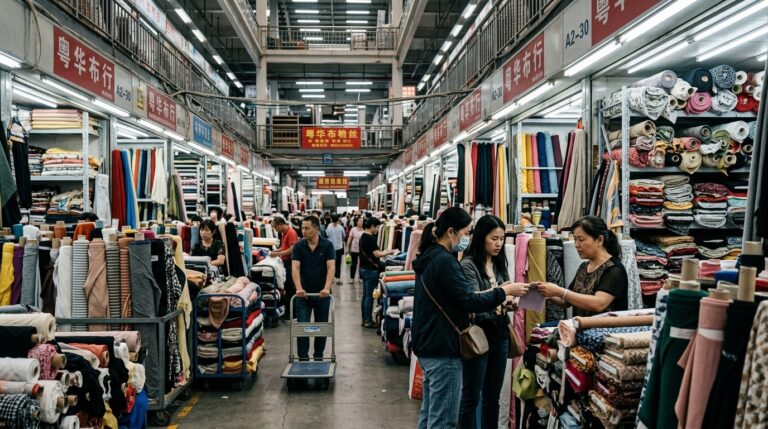
Overseas sourcing can be one of the fastest ways to reduce costs, scale production, and improve product availability.
But it can also become expensive very quickly.
Many businesses enter global sourcing with strong expectations — only to run into problems such as:
- Poor product quality
- Supplier miscommunication
- Unexpected costs
- Shipping delays
- Product defects
- Supplier scams
The reality is this:
Most sourcing failures are preventable.
In many cases, businesses don’t fail because sourcing overseas is risky.
They fail because they make avoidable mistakes early in the process.
Whether you’re an ecommerce brand, Amazon FBA seller, startup founder, or procurement manager, understanding common sourcing mistakes can help protect both your margins and your reputation.

Why Overseas Sourcing Goes Wrong
Global sourcing creates opportunities.
Lower production costs, broader supplier access, and scalable manufacturing make overseas sourcing attractive for many businesses.
But international sourcing also adds complexity.
Challenges often include:
- Different time zones
- Language barriers
- Production visibility issues
- Longer logistics timelines
- Different manufacturing expectations
If you’re new to overseas procurement, start with our guide on What Is Global Sourcing? to better understand the sourcing process.
The good news?
Most sourcing problems follow predictable patterns.
Mistake #1: Choosing Suppliers Based Only on Price
This is probably the biggest sourcing mistake businesses make.
A supplier offers pricing that looks dramatically lower than competitors.
Naturally, buyers feel tempted.
But extremely cheap quotes often lead to:
- Poor materials
- Inconsistent quality
- Delays
- Hidden costs
- Communication problems
In sourcing, the cheapest supplier often becomes the most expensive mistake.
Instead of focusing only on price, evaluate:
- Product quality
- Production capability
- Communication speed
- Export experience
- Reliability
If you’re searching for manufacturers, read How to Find Reliable Suppliers in China
Mistake #2: Skipping Supplier Verification
Many businesses trust suppliers too quickly.
Professional websites and attractive pricing do not guarantee legitimacy.
Without verification, buyers may accidentally work with:
- Fake factories
- Trading companies posing as manufacturers
- Inexperienced suppliers
Before placing orders, verify:
- Business registration
- Factory capability
- Product specialization
- Certifications
Learn the full process in How to Verify a Supplier Before Placing an Order
Mistake #3: Poor Product Specifications
One of the fastest ways to create quality problems is unclear requirements.
Never assume suppliers automatically understand expectations.
Vague instructions often result in:
- Wrong materials
- Incorrect dimensions
- Color inconsistencies
- Packaging issues
Good product specifications should include:
- Measurements
- Materials
- Packaging requirements
- Product performance expectations
- Quality standards
Clear documentation reduces misunderstandings.

Mistake #4: Ignoring MOQ Requirements
Many buyers underestimate how much MOQ affects sourcing decisions.
Suppliers often require minimum quantities based on:
- Materials
- Production efficiency
- Setup costs
Ignoring MOQ can create unrealistic expectations or budget problems.
If MOQ feels confusing, read MOQ Explained: What Minimum Order Quantity Means
Understanding MOQ early helps avoid frustration later.
Mistake #5: Skipping Product Samples
Catalog photos can be misleading.
Never move directly to mass production without testing samples.
Product samples help evaluate:
- Materials
- Durability
- Functionality
- Finishing quality
- Packaging
This step is especially important for:
- Private label products
- OEM manufacturing
- Customized products
Skipping samples often leads to expensive surprises.
Mistake #6: Weak Communication With Suppliers
Communication problems are one of the most overlooked sourcing risks.
Misunderstandings happen when buyers provide:
- Unclear instructions
- Incomplete specifications
- Inconsistent expectations
Strong supplier communication should include:
Written Requirements
Always document expectations.
Production Timelines
Clarify deadlines early.
Confirmation Processes
Ask suppliers to confirm requirements in writing.
Professional communication reduces mistakes significantly.
Mistake #7: Ignoring Quality Inspections
Some businesses assume everything will be fine after receiving samples.
That’s risky.
Mass production quality can differ from samples.
Pre-shipment inspections help identify:
- Product defects
- Wrong materials
- Packaging issues
- Missing components
Fixing problems before shipping is far cheaper than after products arrive.
Mistake #8: Underestimating Shipping Costs & Lead Times
Factory pricing is only part of total cost.
Many businesses overlook:
- Shipping fees
- Tariffs
- Customs duties
- Warehousing costs
- Freight delays
Production timelines may also take longer than expected.
This is one reason some companies compare China Sourcing vs Local Manufacturing before making decisions.
Planning ahead matters.
Mistake #9: Choosing the Wrong Manufacturing Model
Not every product strategy requires full customization.
Some businesses jump into expensive OEM development too early.
Others choose generic products when differentiation matters.
Understanding manufacturing models helps.
OEM
Best for:
- Custom products
- Brand differentiation
ODM
Best for:
- Faster launches
- Lower risk
Read OEM vs ODM Manufacturing to understand which option fits your goals.
You may also want to compare Private Label vs White Label if branding matters.
Mistake #10: Expecting Immediate Results
Strong supplier relationships take time.
Many businesses expect:
- Instant perfect quality
- Fast production
- Immediate cost savings
Successful sourcing usually requires:
- Testing
- Revisions
- Supplier evaluation
- Process improvement
Think long-term.
Reliable sourcing partnerships often become competitive advantages.

How to Reduce Overseas Sourcing Risks
Here are practical ways to improve sourcing success.
✔ Verify suppliers before payment
✔ Request samples
✔ Clarify specifications
✔ Use inspections
✔ Plan logistics early
✔ Build long-term supplier relationships
✔ Avoid unrealistic pricing expectations
You can also reduce risk by learning How to Avoid Supplier Scams When Sourcing Overseas
Final Thoughts
Overseas sourcing can unlock major growth opportunities.
But success rarely comes from luck.
The most successful businesses avoid common sourcing mistakes by focusing on:
- Supplier reliability
- Product quality
- Clear communication
- Risk management
- Long-term partnerships
Sourcing overseas works best when businesses move carefully, verify suppliers, and prioritize consistency over shortcuts.
Need Help Managing Overseas Sourcing?
At SourcePilot Global, we help businesses:
✓ Find reliable manufacturers
✓ Verify suppliers before production
✓ Support OEM & ODM sourcing
✓ Reduce procurement risks
✓ Improve supply chain efficiency
Looking for sourcing support? Contact our team to discuss your project.