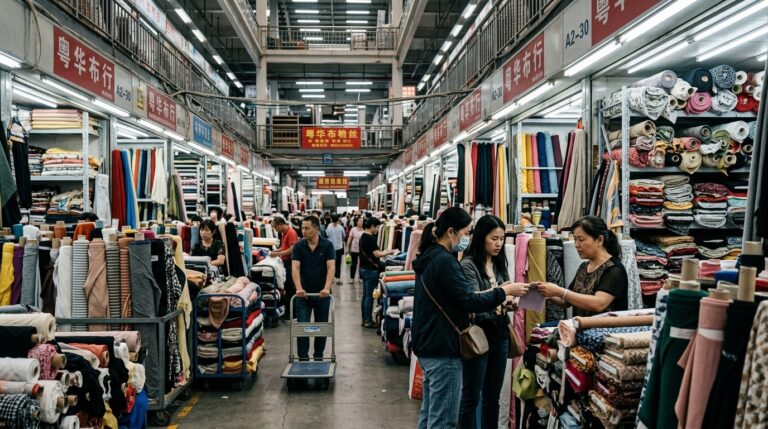
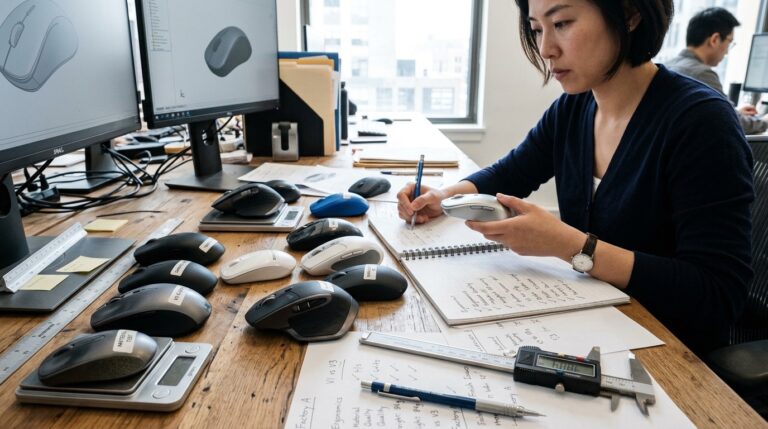
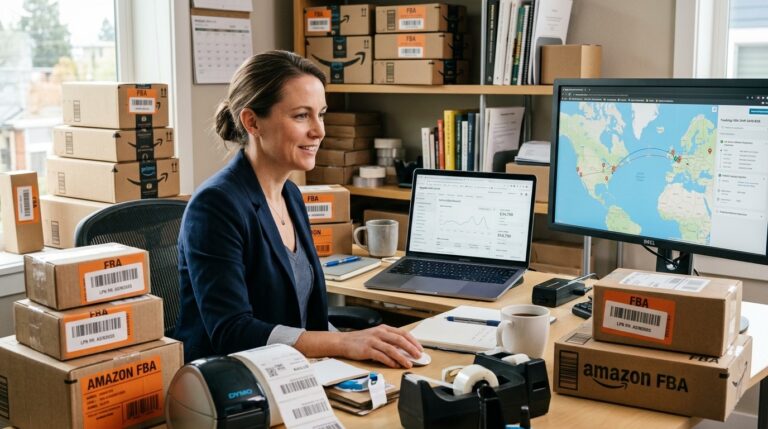
For decades, China has been the world’s manufacturing powerhouse.
Businesses around the world have relied on Chinese suppliers for:
- Lower production costs
- Large manufacturing capacity
- Product variety
- Fast scalability
But in recent years, many companies have started asking:
“Is sourcing from China still worth it?”
Concerns about:
- Rising labor costs
- Tariffs
- Supply chain disruptions
- Geopolitical uncertainty
have pushed businesses to reconsider manufacturing strategies.
Some companies are exploring alternatives like:
- Vietnam
- India
- Mexico
- Local manufacturing
At the same time, millions of businesses still depend on Chinese suppliers successfully.
So what’s the reality in 2026?
Is China sourcing still the smartest choice?
Or is it becoming too risky?
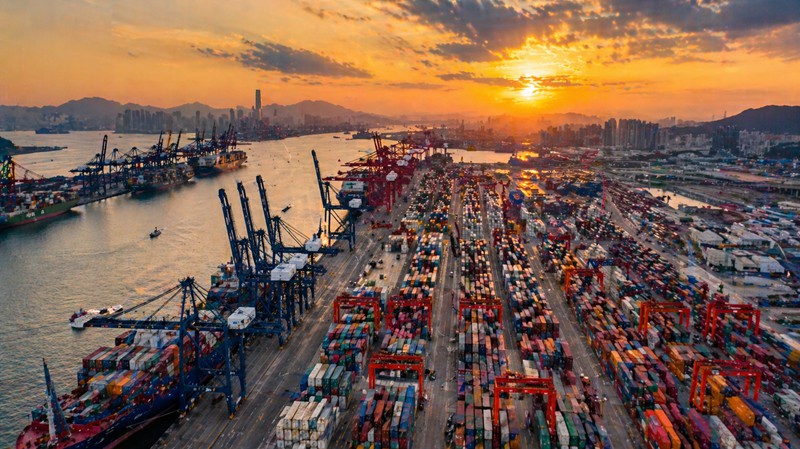
Why China Became the Manufacturing Leader
China didn’t become a manufacturing leader by accident.
Its ecosystem developed around:
- Massive factory networks
- Supplier specialization
- Export infrastructure
- Manufacturing efficiency
In many industries, suppliers are clustered together.
For example:
One region may specialize in:
- Electronics
- Packaging
- Home products
- Textiles
This concentration often improves sourcing efficiency.
If you’re unfamiliar with overseas procurement, start with What Is Global Sourcing?
Advantages of Manufacturing in China
Despite market changes, China still offers major advantages.
1. Strong Supplier Networks
China offers one of the largest supplier ecosystems in the world.
This creates benefits like:
- Faster sourcing
- Supplier competition
- Manufacturing flexibility
Finding manufacturers is often easier than in newer sourcing markets.
If you’re searching for suppliers, read: How to Find Reliable Suppliers in China
2. Manufacturing Scale
Chinese factories often handle:
- Large production runs
- High-volume manufacturing
- Fast scaling
For growing businesses, scalability matters.
3. Product Variety
China manufactures an enormous range of products.
Including:
- Consumer electronics
- Home products
- Packaging
- Industrial products
- Custom products
4. OEM and ODM Capability
Many Chinese factories support:
- Custom manufacturing (OEM)
- Product adaptation (ODM)
Learn more in: OEM vs ODM Manufacturing
5. Mature Export Experience
Experienced suppliers usually understand:
- International shipping
- Certifications
- Packaging requirements
This reduces friction.
Challenges of China Sourcing in 2026
China sourcing is still strong.
But challenges have increased.
Rising Labor Costs
Manufacturing costs have increased over time.
China is no longer always the lowest-cost option.
For simple, labor-intensive products, alternatives may compete better.
Tariffs and Trade Policy
Some businesses face tariff pressure depending on country and product category.
Import costs matter.
Businesses should calculate total landed cost — not factory price alone.
Supply Chain Risk
Recent disruptions reminded businesses of supplier concentration risks.
Many companies now diversify sourcing.
MOQ Challenges
Some Chinese factories prefer larger orders.
MOQ can create challenges for startups.
Learn more in: MOQ Explained: What Minimum Order Quantity Means
Is China Still Cheaper?
Sometimes yes.
Sometimes no.
The answer depends on:
Product Category
Complex products often still favor China.
Production Volume
Higher volume usually improves cost competitiveness.
Shipping Costs
Freight pricing changes profitability.
Quality Expectations
Cheap production means little if defect rates rise.
This is why strong quality control matters.
Read: Quality Inspection in Manufacturing

Which Products Still Make Sense to Source From China?
China remains especially competitive for:
Electronics
Strong supply chain ecosystems.
Consumer Goods
Large manufacturing networks.
Custom Products
OEM manufacturing remains strong.
Packaging
Competitive supplier options.
Multi-Component Products
Supplier ecosystems improve efficiency.
China vs Other Manufacturing Countries
Many businesses compare China with:
Vietnam
Good for labor-intensive manufacturing.
India
Growing manufacturing capability.
Mexico
Often attractive for North American markets.
Local Manufacturing
May improve:
- Speed
- Communication
- Oversight
Compare in: China Sourcing vs Local Manufacturing
There is no universal best option.
Product type matters.
When China Is Still the Best Choice
China often remains ideal when:
✔ Product complexity is high
✔ Supplier variety matters
✔ OEM customization is needed
✔ Scalability matters
✔ Large production volume is required
When Businesses Should Consider Alternatives
Alternatives may make sense if:
✔ Small batch production matters
✔ Speed is critical
✔ Tariffs significantly affect cost
✔ Geographic proximity matters
Some businesses adopt China + 1 sourcing strategies for diversification.
How to Reduce China Sourcing Risks
Businesses can reduce risk significantly.
Verify Suppliers Carefully
Never skip supplier verification.
Read: How to Verify a Supplier Before Placing an Order
Avoid Supplier Scams
Learn warning signs here: How to Avoid Supplier Scams When Sourcing Overseas
Use Quality Inspections
Never assume production consistency.
Work With Sourcing Experts
Experienced sourcing partners may improve supplier selection and communication.
Read: What Is a Product Sourcing Company and Do You Need One?
Final Thoughts
China sourcing is changing — but it’s far from disappearing.
For many businesses, China remains one of the strongest manufacturing ecosystems in the world.
The question is no longer:
“China or no China?”
The better question is:
“Is China the right fit for this product and business strategy?”
Successful sourcing depends on product type, cost structure, supplier quality, and long-term goals.
The smartest businesses evaluate sourcing decisions strategically — not emotionally.

Need Help Sourcing Products From China?
At SourcePilot Global, we help businesses:
✓ Find reliable Chinese suppliers
✓ Verify factories before production
✓ Manage OEM & ODM sourcing
✓ Coordinate quality inspections
✓ Reduce procurement risks
Looking for sourcing support? Contact our team to discuss your project.