Selling on Amazon can be highly profitable.
But success rarely comes from simply listing random products.
For most successful Amazon sellers, product sourcing is the foundation of long-term growth.
The challenge?
Many beginners underestimate how difficult sourcing can be.
They assume the process looks something like this:
Find a cheap product → order inventory → sell on Amazon → make profit.
In reality, successful Amazon FBA sourcing involves much more.
Businesses must think about:
- Product selection
- Supplier reliability
- Profit margins
- MOQ requirements
- Product quality
- Shipping costs
- Amazon compliance
Choosing the wrong supplier or product can lead to poor reviews, inventory losses, and cash flow problems.
The good news?
With the right sourcing strategy, businesses can reduce risk and build more scalable Amazon brands.
What Is Amazon FBA Product Sourcing?
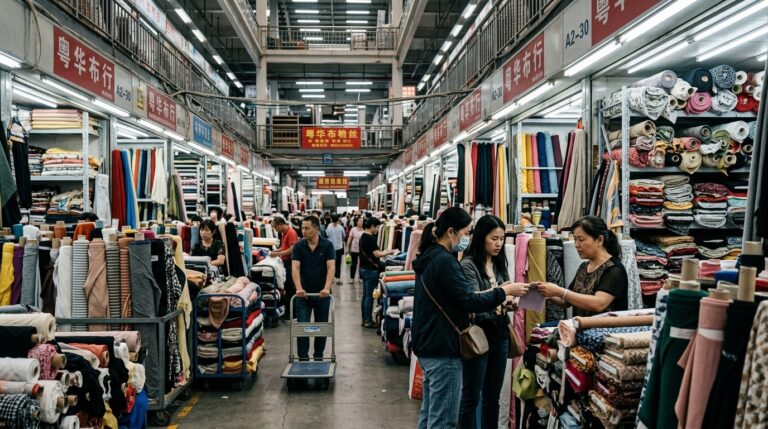
Amazon FBA product sourcing means finding manufacturers or suppliers that can produce products for your Amazon business.
The process typically includes:
- Choosing a product
- Finding suppliers
- Negotiating pricing
- Ordering samples
- Managing production
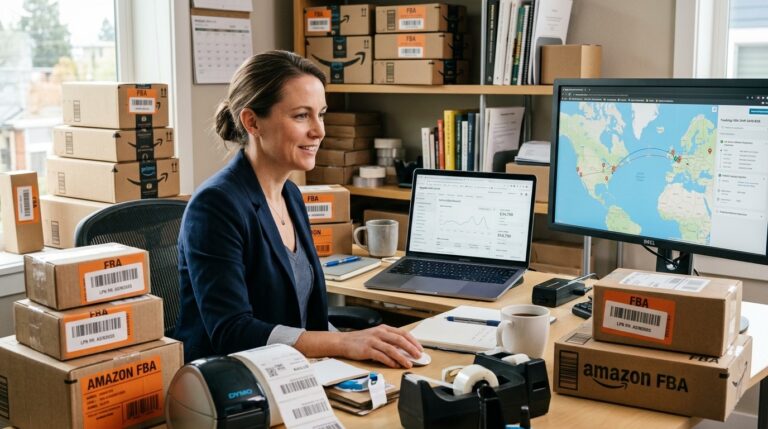
- Shipping inventory to Amazon
For many sellers, sourcing products overseas improves profitability due to lower manufacturing costs.
If you’re new to international procurement, start with understanding: What Is Global Sourcing?
Step 1: Choose the Right Product
Before contacting suppliers, product research matters.
A good Amazon product usually has:
Strong Demand
Look for products customers consistently buy.
Manageable Competition
Avoid oversaturated products.
Healthy Profit Margins
Cheap products with low margins can become difficult to scale.
Remember:
Factory cost is only part of the equation.
You still need to account for:
- Shipping
- Amazon fees
- Advertising costs
- Returns
Product Improvement Opportunities
Strong Amazon brands often improve existing products instead of copying competitors.
Examples include:
- Better packaging
- Additional features
- Improved quality
Step 2: Decide Between Private Label and White Label
Amazon sellers often choose between:
Private Label Products
Products customized for your brand.
May include:
- Custom logo
- Packaging
- Features
Private label creates stronger brand differentiation.
Read: Private Label vs White Label: What’s the Difference?
White Label Products
Pre-made products sold under your branding.
Faster to launch but less unique.
OEM and ODM Manufacturing
Some products require deeper customization.
Learn more in: OEM vs ODM Manufacturing
Step 3: Find Reliable Suppliers
Choosing suppliers is one of the most important sourcing decisions.
Many Amazon sellers source products from China due to:
- Manufacturing scale
- Competitive pricing
- Product variety
Learn more here: China Sourcing in 2026: Is Manufacturing in China Still Worth It?
What Makes a Good Supplier?
Look for:
Experience
Experienced suppliers often reduce mistakes.
Communication Quality
Fast, clear communication matters.
Export Experience
Suppliers familiar with Amazon requirements are valuable.
Production Capability
Can they scale with your growth?
If you’re sourcing in China, read: How to Find Reliable Suppliers in China
Step 4: Verify Suppliers Before Ordering
Never assume suppliers are reliable.
Before payment, verify:
Business Legitimacy
Confirm registration and operating history.
Factory Capability
Can they actually manufacture your product?
Certifications
Ensure compliance where necessary.
Learn more in: How to Verify a Supplier Before Placing an Order
You should also understand: How to Avoid Supplier Scams When Sourcing Overseas
Step 5: Understand MOQ and Pricing
MOQ surprises many Amazon sellers.
MOQ means:
Minimum Order Quantity
Many manufacturers require minimum orders.
Larger MOQ often lowers cost per unit.
But overordering creates risk.
Especially for first-time sellers.
Learn more in: MOQ Explained: What Minimum Order Quantity Means
Step 6: Request Samples Before Production
Skipping samples is a major mistake.
Samples help verify:
- Product quality
- Materials
- Packaging
- Functionality
Even strong suppliers can misunderstand requirements.
Samples reduce surprises.
Especially important for:
- Private label products
- Custom packaging
Step 7: Manage Quality Inspections
Poor quality quickly hurts Amazon businesses.
Bad reviews damage rankings.
Returns reduce profitability.
Quality inspections help reduce risk.
Inspect for:
Product Quality
Check consistency.
Packaging Accuracy
Wrong packaging causes customer complaints.
Functionality
Products should meet performance expectations.
Read: Quality Inspection in Manufacturing
Step 8: Calculate Total Landed Cost
Many sellers focus only on factory pricing.
This creates mistakes.
You must include:
- Manufacturing cost
- Shipping fees
- Duties
- Packaging costs
- Inspection costs
Ignoring landed cost destroys margins.
Common Amazon FBA Sourcing Mistakes
Avoid these common problems.
Choosing the Cheapest Supplier
Cheap pricing often creates quality issues.
Skipping Supplier Verification
Always verify factories.
Ignoring Product Quality
Bad reviews hurt Amazon ranking.
Overordering Inventory
Large MOQ creates cash flow pressure.
Weak Supplier Communication
Clear expectations matter.
Read: How to Communicate With Overseas Suppliers Effectively
Final Thoughts
Amazon FBA success starts with sourcing.
The strongest brands do not simply chase cheap products.
They build sourcing systems that support:
- Product quality
- Supplier reliability
- Healthy margins
- Long-term growth
Good sourcing creates competitive advantages.
Bad sourcing creates expensive lessons.
Taking time to build the right supplier relationships often pays off long term.
Need Help Sourcing Products for Amazon FBA?
At SourcePilot Global, we help businesses:
✓ Find reliable suppliers
✓ Manage Amazon FBA sourcing
✓ Verify manufacturers before production
✓ Coordinate quality inspections
✓ Reduce sourcing risks
Looking for sourcing support? Contact our team to discuss your project.